The dream looked simple: leave the job, go freelance, build a client base, and enjoy the freedom. For some marketers, that has worked brilliantly. But for many others, what began as freedom has turned into overload: too many hats, too little consistency, and a business model built more on energy than infrastructure. This strain is not only felt by marketers but also by the businesses they support.
Marketing Week’s 2026 Career and Salary Survey found that 65.3% of marketers have felt overwhelmed in the past 12 months, 60.7% feel undervalued, and 55.1% are emotionally exhausted. These are not small warning signs; they point to a serious issue across the profession, with people trying to carry out strategy, delivery, sales, admin, and now AI adoption, often without enough support around them.
At the same time, businesses are increasingly choosing to outsource. Marketing Week reported that 63.1% of organisations outsourced work to an agency or third party in the previous 12 months, up from 46.2% the year before. In a tougher economy, that makes commercial sense. For many smaller firms, it is more practical to buy in broad marketing capability than hire one person with a limited in-house remit and expect them to cover every channel, campaign, and objective.
That shift matters because of the shape of the UK economy itself. At the start of 2025, there were 5.7 million private-sector businesses in the UK. SMEs accounted for 99.85% of them, while 75% employed nobody apart from the owner. Most British businesses are lean by design. They still need marketing expertise, but they need it in a format that is flexible, commercially realistic, and easy to access.
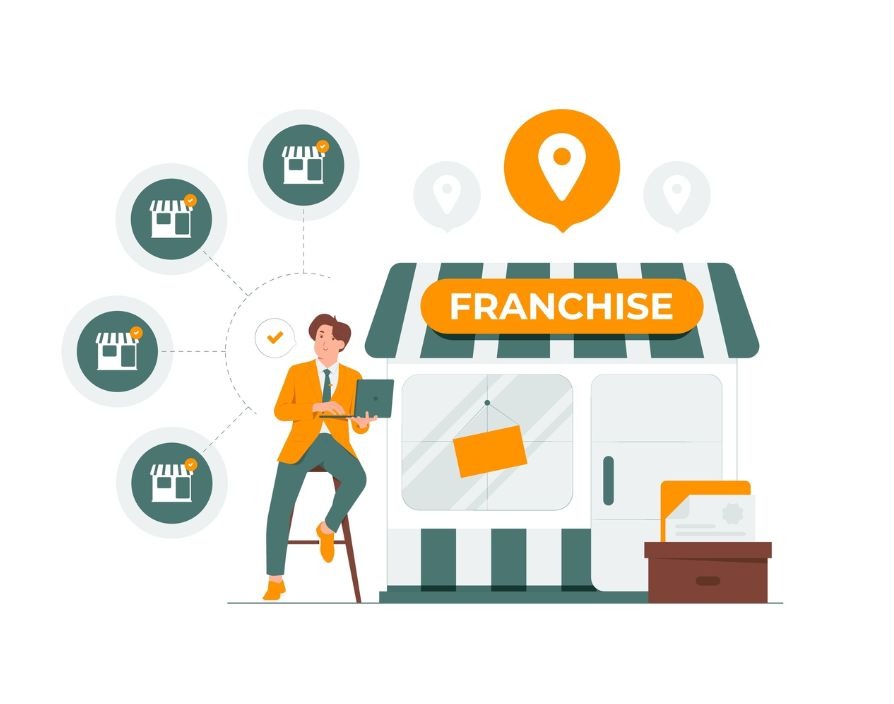
This is where franchising is becoming far more relevant than many people realise. For years, franchising has been treated as if it belongs to a more traditional part of business. At activ Marketing, we believe the opposite is true. A strong franchise model can be one of the most modern responses to current market pressures. It gives people the chance to build a business with independence, but without having to invent every process, service model, and system from scratch.
NatWest, referencing British Franchise Association data, reports that around 97% of franchisees have turned a profit for more than 20 consecutive years. That does not make franchising easy, but it does show the power of supported, systematic models. In marketing, that matters enormously. Too many talented people are still trying to build businesses on talent alone. They know their craft, but they are winging the structure behind it. That is why the next chapter of self-employment for creatives will not just be freelancing; it will be structured business ownership.
That is the category activ Marketing is helping to shape. The opportunity is not just to help marketers work for themselves; it is to help them run stronger, more sustainable businesses, while giving SMEs the kind of joined-up, systematic, AI-enabled support that fits the way they buy today.
That is what makes this moment exciting. Franchising is no longer just a route into business ownership. In marketing, it has the potential to become a new category altogether: one that gives creatives more confidence, more support, and a smarter way into AI, while giving clients a model that works better in the real economy.
For marketers who want independence without winging it, that feels less like a trend and more like the future.
If you are a marketer who wants to stop winging it, watch our latest webinar for five practical tips on building with more structure and confidence.