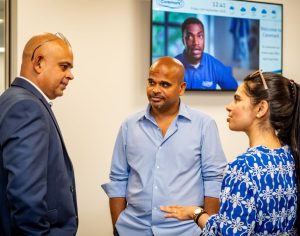
Attending your initial franchise training is one of the most important stages in your franchising journey. It marks the shift from prospective franchisee to active business owner, giving you the knowledge, structure and confidence needed to launch successfully.
While training is often seen as a deep dive into systems and processes, it is just as much about people. It is your first real opportunity to connect with teams who will support you throughout your journey – relationships that prove just as valuable as the training content itself.
Here, Frank Milner, Global President of Tutor Doctor, explains who you are likely to meet during in-person training, the questions worth asking and why building strong relationships from the outset can have a lasting impact on your success.
One of the first groups you will typically meet is the leadership and onboarding team. These are the people who shape your early experience, guiding you through the brand’s values, expectations and ways of working, while helping you feel prepared to launch.
They remain key contacts long after training ends, which is why those early conversations matter more than they might first appear. It is worth using this time to understand what success looks like in 12 months, what challenges new franchisees commonly face and how support evolves once you are operating independently.
You will also spend time with operational support specialists who help you get to grips with the systems that underpin the business day by day. This includes areas such as scheduling, reporting, customer management and performance tracking. A strong understanding of these tools early on can make the transition into ownership far smoother, reducing uncertainty when you begin running the business in real conditions.
Useful questions include which systems are most effectively used by top-performing franchisees, what common operational mistakes to avoid and how ongoing support is delivered after training is complete.
Marketing and business development specialists are another key part of the training experience. Their role is to help you understand how to generate leads, build local awareness and develop meaningful connections within your community.
For many franchisees, this is one of the most immediately applicable parts of training, offering practical ideas that can be used from launch. It is helpful to ask which marketing activities typically deliver the strongest early results, what local partnerships tend to work best and how much local flexibility exists within the brand framework.
Beyond the formal training sessions, one of the most valuable elements of the experience is connecting with fellow franchisees. At Tutor Doctor, collaboration is actively encouraged, and our franchisees contribute to a wider culture of shared learning and support.
This is achieved through weekly global team calls, regional calls and meetings, annual conferences and franchise boot camps, all in aid of providing both reassurance and practical insight, particularly when hearing from those who have recently gone through the same journey.
These relationships continue well beyond training, with franchisees sharing ideas, advice and best practices as they grow. It is worth asking what has supported their growth, what they found most valuable after launch and how collaboration works across the network.
Ultimately, there is more to franchise training than just learning how the business operates. It is about building the relationships that will support your journey long after launch. By asking thoughtful questions, engaging openly with different teams and making an effort to connect with other franchisees, you can gain far more from the experience and step into your business with greater clarity and confidence.