Buying a franchise is often presented as a safer route into business ownership. You are joining an established brand, following a proven model and benefiting from lessons somebody else has already learned, and sometimes the hard way.
That should give you a head start. But a franchise system is only as valuable as the knowledge it passes on. A solid brand and attractive projections may catch your eye, but training will have a much bigger say in what happens once you get stuck in.
Without thorough initial training and ongoing development, even a strong franchise model can become hard work very quickly.
Initial training should prepare you for the real world
Initial training should do far more than introduce the brand and talk through an operations manual. It should prepare a new franchisee to run the business properly from day one.
That includes delivering the product or service, but also sales, customer service, pricing, cash flow, marketing, administration, and managing people.
Very few people enter franchising with experience in every one of these areas. A skilled tradesperson may be great at the practical work but have little experience of handling enquiries, pricing jobs or understanding a profit and loss account. Someone from a management background may understand the commercial side but need hands-on, industry-specific training.
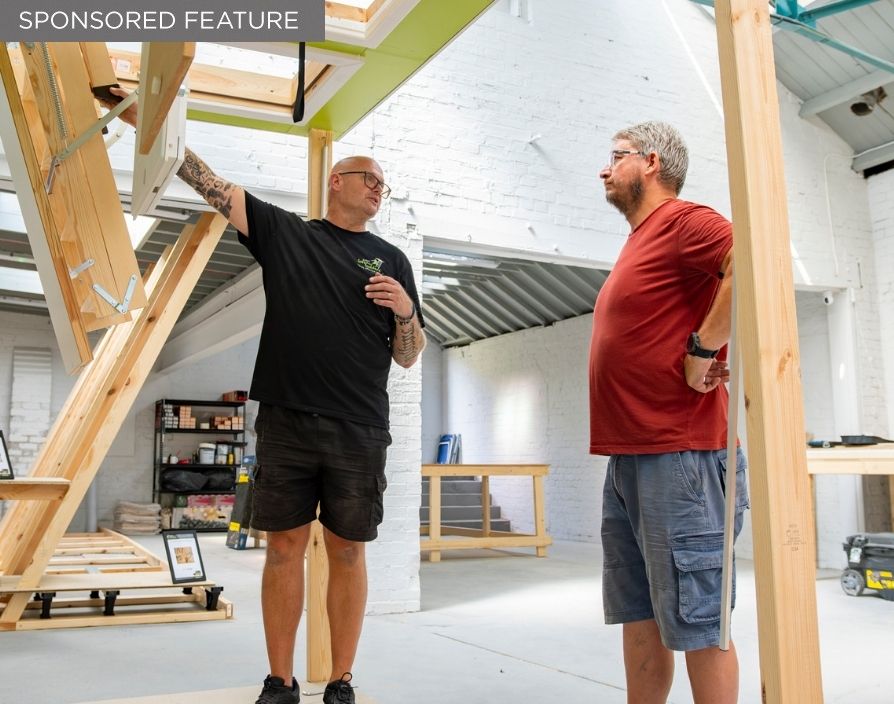
Prospective franchisees should ask exactly what the initial training includes, how long it lasts and how much of it is practical. Sitting in a room watching presentations for several days may tick a box, but it does not necessarily build confidence or competence.
Good training should involve practice, repetition, assessment and honest feedback. It should give people the chance to make mistakes in a controlled environment before those mistakes affect customers, staff or their own bank balance.
Training cuts out expensive guesswork
One of the main reasons for joining a franchise is that you should not have to invent every process from scratch.
Independent business owners can lose a lot of time and money testing systems, suppliers, marketing methods and pricing structures. A well-run franchise has already done much of that work. Training is how that experience is passed on.
When training is weak, franchisees are left to fill in the blanks. They start changing processes, creating their own paperwork or taking advice from whoever happens to answer the phone. Before long, different parts of the network are working in completely different ways.
That inconsistency can damage customer service and the reputation of the brand.
Clear training gives franchisees a reliable starting point. It explains not only what to do, but why the system works that way. People are far more likely to follow a process when they understand the thinking behind it.
Nobody likes being told “That’s just how we do it.” It is not an answer, and it is not training.
Ongoing training matters just as much
Initial training gets a franchisee started, but it cannot prepare them for every stage of the journey.
The problems faced in month one are very different from those faced after two or three years. At the beginning, the focus may be on generating enquiries, learning the systems and delivering a consistent service. Later, the franchisee may need help recruiting staff, managing multiple teams, improving margins or stepping away from the tools.
A franchise that stops training once the business launches is leaving franchisees to muddle through.
Markets change, customer expectations move on, technology develops, legislation is updated and new competitors appear. The methods that worked five years ago may not be enough today.
Ongoing training allows the network to adapt together. It gives franchisees the chance to refresh skills, share ideas and learn from others who have faced the same problems.
This does not mean endless meetings, training should have a clear purpose and be relevant to the franchisee’s stage of development. Workshops, coaching, online resources, practical refresher days and peer learning can all play a part.
Look for evidence, not promises
Nearly every franchisor will say it provides excellent training and support. Prospective franchisees need to look beyond the sales pitch.
Ask to see the training schedule. Speak to existing franchisees about how well prepared they felt when they launched. Find out what ongoing training has been delivered during the past 12 months.
Ask who provides it. Are they people with genuine experience of running the business, or are they simply reading from a manual?
It is also worth checking whether the training is assessed. A certificate of attendance proves that somebody turned up. It does not prove they understood the subject or can apply it.
The best franchise systems treat training as a shared responsibility. The franchisor must provide practical, current training. The franchisee must be willing to learn, follow the system and improve.
No training programme can guarantee success. The franchisee still needs to work hard, make sensible decisions and put the learning into practice. But good training replaces much of the guesswork with knowledge, structure and confidence.
When evaluating a franchise opportunity, do not treat training as a small part of the package. Examine it closely.
The franchise fee may buy the right to use the brand, but the transfer of knowledge is what gives that brand real value.
This article comes courtesy of More Than Loft Ladders – a lofting franchise.