In a fast-paced, post-pandemic world, early years children are also facing invisible pressures that may be shaping them in ways we don’t yet fully understand. These foundational years are being affected by societal shifts—from technology and parenting styles to education policy and public health—and the long-term impact demands our attention.
The digital age has changed the way families communicate. With screen time increasingly replacing conversation, even toddlers are affected by reduced verbal interaction, which in turn hinders language acquisition, cognitive development, and attention span. When we consider the critical role that curiosity and questioning play in early learning, we must ask: are we giving children the freedom to play, space to wonder, explore, test things out and and get things wrong?
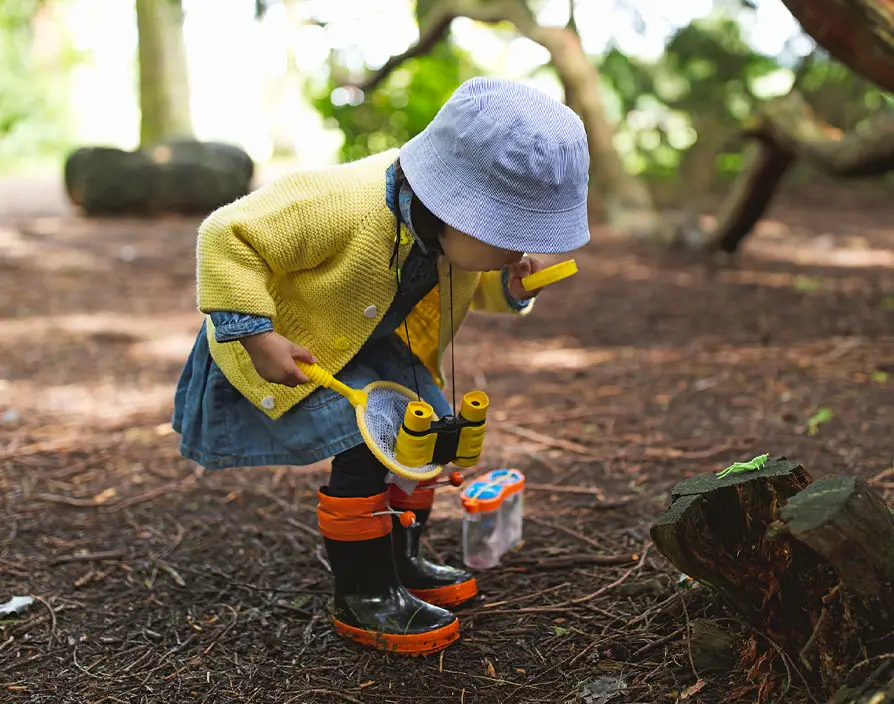
At the same time, society has become more risk-averse. With 24-hour news access and heightened awareness of safety, many well-meaning adults default to “be careful” instead of helping children assess and manage risks independently. Whether it’s climbing a tree, running through the woods, or tackling a new challenge, children are increasingly protected from the very experiences that help them build resilience.
This is a trend that those of us in early years education must actively counter. Risk-taking, when safely guided, is vital for developing persistence and confidence. Falling over, making mistakes, and having to try again are not failures—they are fundamental learning opportunities helping young children to understand their own capabilities. When we avoid these moments, we rob children of the chance to grow into capable, independent people.
This belief is embedded in the way I’ve approached education and business. In my experience supporting franchisees, I’ve found that resilience is the number one predictor of long-term success. Every franchise journey involves bumps in the road, sometimes they feel like mountains and what determines growth is not avoiding these challenges but learning from them. In my experience, the greatest growth has come from the most stressful and challenging situations. The same holds true for children. We should be building curricula and environments that embrace effort, persistence, and trial-and-error.
Five years after COVID, many children are starting school without the independence needed for this transition. Some struggle to eat unassisted, put on their shoes, or use the toilet confidently. These are not just life skills—they are indicators of confidence and self-worth. Teachers, Nursery Practitioners and parents must take a deep breath, and allow children to do things for themselves, even if that means a few more spills and wrong turns along the way.
The early years curriculum should be rooted in empowering children to become independent learners and resilient thinkers. This goes beyond structured lessons; it’s about creating a culture where success is seen not just as getting it right, but as giving it a go. It’s where children are invited to ask “why” and explore “how”, without fear of getting it wrong.
Franchising can play a unique role in this evolution. A well-structured early years franchise doesn’t just duplicate a business model—it creates a collaborative learning environment. Franchisees bring diverse experience, insight, and a fresh pair of eyes on a business model. As franchisors we should harness this new perspective and use it to help refine and strengthen practice. This collective intelligence makes the sector more responsive and innovative, with shared challenges fuelling creative solutions.
More than ever, we need to create environments—at home, in nurseries, and across our franchise networks—where children are encouraged to be confident, curious, and resilient; essential life skills for the world they live in today. The long-term impact of fostering these qualities is immeasurable. If we get it right in the early years, we are laying the foundation for future generations to approach life with confidence, adaptability, and grit.