Every franchisor says they have a network. The more useful question is whether that network actually works.
I understand why franchisors talk about it so much. In franchising, the network is one of the biggest differences between starting a business alone and joining an established brand. It should give people access to experience, structure and support that would be much harder to build from scratch.
But I also think the word can be overused. A network should mean more than a number of locations on a map. It should create value for franchise owners, not just for the franchisor.
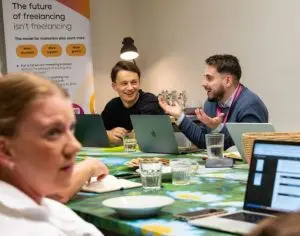
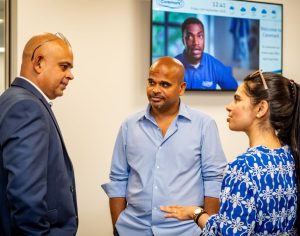
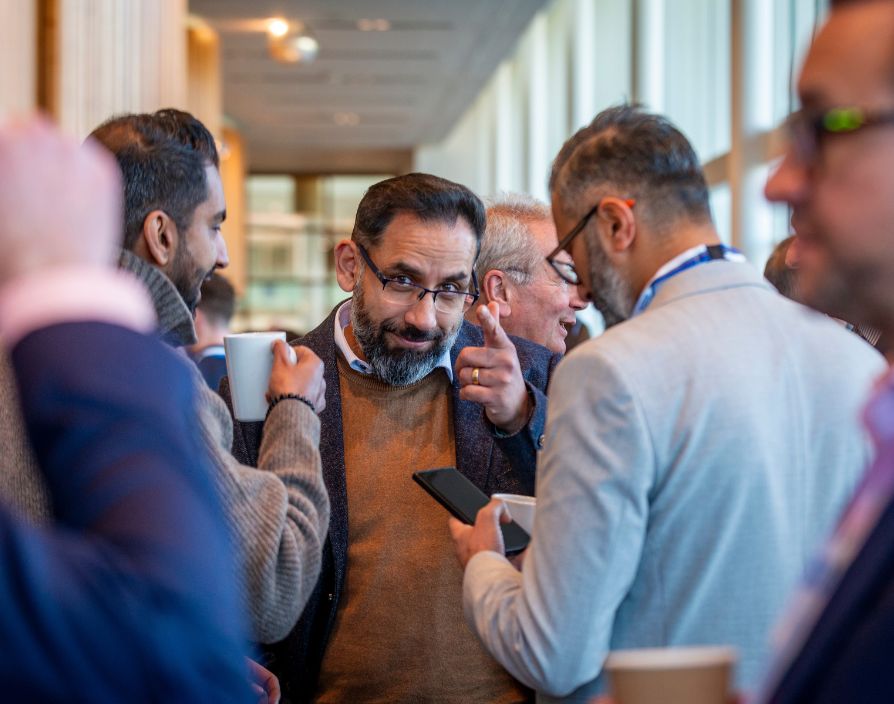
That has been on my mind recently as we have been holding regional meetings across the Caremark network. These meetings bring together people running businesses in different territories, facing different local challenges, but working within the same model and towards the same standards.
Senior leaders from our Franchise Support Centre attend these events to share what their teams are working on, what they are seeing across the sector and what franchise owners may need to think about in the months ahead.
But that is only part of the value. At their best, regional meetings are not about sitting in a room and being talked at. They are about opening up the conversation. They give franchise owners the chance to share what is working, what is difficult and what they are seeing in their own local markets.
They also give the franchisor a clearer view of what is happening on the ground. No support team can lead well from theory alone.
In any franchise system, there will be things that look simple from the centre but feel very different inside a local business. Recruitment, customer acquisition, local competition, staffing pressures, regulation and community relationships can all vary from one territory to another. A good network creates space for those realities to be heard and understood. It also creates a way for good ideas to travel.
One of the strengths of franchising is that owners do not have to learn everything in isolation. If one office finds a better way to build local relationships, improve enquiries, recruit staff or manage a particular challenge, that learning should not stay in one place. A good franchisor helps turn individual experience into a wider network benefit.
That is why prospective franchise owners should look closely at how a network actually behaves.
It is easy to be impressed by scale. A large network can show demand, brand presence and a proven model. Those things matter. But size alone does not make a network strong. The real question is whether franchise owners are connected, listened to and supported in a meaningful way.
When looking at a franchise opportunity, I would want to know how often people come together. Are there regional meetings, national conferences or peer groups? Are franchise owners encouraged to speak openly? Does the franchisor act on what it hears? Is knowledge shared between offices, or does everyone quietly work in their own corner?
A less effective network can look very different. It may feel disconnected. Communication may only flow one way. Meetings may exist, but feel more like presentations from head office than genuine discussion. Franchise owners may not feel comfortable raising concerns. Good practice may stay hidden because there is no structure for sharing it. That is when a network becomes more of a label than a living part of the business.
In my role, I speak to people who are deciding whether franchise ownership is right for them. Naturally, many start by looking at the model, the territory, the figures and the support package. Those are all important. But I would also encourage them to ask a deeper question: what will this network actually help me become better at?
For me, the strongest franchise networks are built on trust, contribution and shared responsibility. Franchise owners need to trust that the franchisor is listening. The franchisor needs to trust that franchise owners will engage honestly and constructively. Everyone needs to understand that the health of the network affects the health of each individual business.
This is particularly important in care. At Caremark, our franchise owners are not just running commercial operations. They are leading local teams that support people in their own homes. Their decisions affect customers, families, care assistants and local communities. That makes shared learning even more valuable, because the aim is not just growth. It is better, more consistent care.
A franchise network should not remove the responsibility of business ownership. Franchise owners still need to lead, make decisions and take accountability for their results. But a good network should make them better equipped to do that.
That is why I encourage prospective franchise owners to speak directly with people already in the network. As franchise manager, I can explain the model, the support and the opportunity, but the clearest answers often come from those already building their businesses. If franchise owners are willing to share their experiences openly, that says something important about the culture of the network itself.
So, when franchisors talk about their network, prospective owners should ask what that really means after the contract is signed.
Not just how many offices there are. Not just how long the brand has been around. But how people share, how they learn, how they challenge each other and how the franchisor listens.
Ultimately, a strong franchise network is not simply something you join. It is something that helps you build better, think better and lead with more confidence than you would on your own.