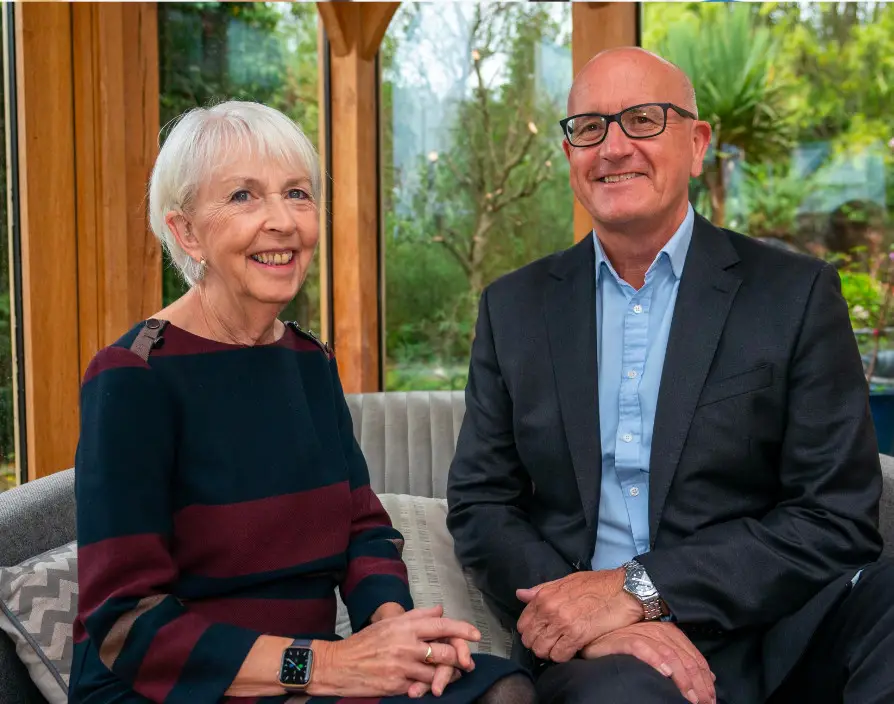
Founder Sue Tumelty describes this as ‘a brilliant solution.’
In just over two weeks’ time, the employees of Bristol-based The HR Dept will collectively take ownership of the business. On November 1st, the company’s founder – Sue Tumelty – will transfer control of The HR Dept to an Employee Ownership Trust.
The company began trading in 2002, when Tumelty identified a gap in the market to offer personalised expert HR advice to local businesses. Since then, the company has gone from strength to strength, with branches opening all over the UK, Ireland and Australia.
The newly titled The HR Dept Trust Ltd will include all HR Dept Group businesses. This will consist of the company’s central franchise operation, the Bristol office and The Health & Safety Dept. Ms Tumelty took this decision in order to safeguard the vision and culture of the business, which originally began as a local supplier of outsourced HR services. She began franchising the model in 2003.
Currently, The HR Dept has more than 100 franchise territories across the UK and Ireland, collectively serving over 6,500 small businesses. They also have a franchise operation in Australia. As a result of this pending change in ownership, The HR Dept will become one of just 730 employee-owned companies in the UK. Many of these are SMEs, with 250 companies transferring ownership during the past 18 months.
The HR Dept will be adopting a model similar to that used by the John Lewis Partnership. Ms Tumelty said: “Over the years I’ve considered many options for a succession plan. However, all of the options which presented themselves may have failed to protect the unique culture and values of our business. I’m really proud of what we’ve generated and it was vital for me that this continued.
“Therefore, this is a brilliant solution. It maintains our USPs (unique selling proposition) as well as brand identity, and it protects the jobs of our employees. It also gives them an incentive regarding the future growth of the business.
“It’s also really positive for our licensees across the UK and Ireland, who can all rest assured that they will have continuity with the senior team. And I’ll be around as well. I will continue as a director and employee for the next five years.
“Handing the business over to people that I trust is really important to me. Over the years I’ve received advice from left, right and centre on how to transition out of direct ownership, but none of it has come from people I think had the best interests of the business at heart. I’m excited to have found a solution which works for everyone and I thank everyone involved for making it happen.”
During the past two years, Ms Tumelty has been building a strong senior team to take the business to the next phase. Keith Sadler, who is currently a non-executive director for the group of companies, will become chief executive and chair of the Employee Ownership Trust on November 1st.
The board of trustees will include Ms Tumelty and Mr Sadler, managing director Felicity Kenny, finance director Lian McQuade, along with directors Helen Thomas and Stacey Mead.
The board will also consist of an independent solicitor from legal firm Ashfords. Part of Keith Sadler’s role will be to provide twice-yearly updates on financial performance and business achievements, while the remaining employees will express their views through representatives.
Sadler said: “We’ve always felt unique as an organisation and that’s been largely moulded by Sue in terms of the culture she’s created here. We look forward to continuing her great work in so many ways. Not only do we want to continue growing as a leading franchisor, providing outsourced human resources for smaller businesses, but we also want to build up our health and safety operation too.”
Deb Oxley, chief executive at the Employee Ownership Association, added: “Employee ownership is a highly flexible and successful business structure. So we congratulate Sue and the leadership of The HR Dept for choosing this option.
“Businesses that give employees a stake and a say, certainly build trust and a shared responsibility. We think the model of uniting leaders and employees behind a common purpose is often the best route to take. This leaves the business in a better position to flex and adapt as the economy looks to recover and renew following the pandemic.”