The UK Code of Broadcast Advertising (BCAP Code) and the UK Code of Non‑Broadcast Advertising (CAP Code) limited advertising HFSS products to children back in 2007. Despite these measures being in place, there has been cross-parliamentary support to introduce further legislative controls in this area for many years.
The Food (Promotion and Placement) (England) Regulations 2021 already restricts how these HFSS products can be marketed, by restricting promotions such as “buy one, get one free”, and product placements (for example, near check outs). The Health and Care Act 2022 introduced new restrictions on advertising and sponsorship, and many of the measures set out in this act are being implemented by this new regulation.
What is this new regulation?
The Advertising (Less Healthy Food Definitions and Exemptions) Regulations 2024 commenced earlier this year on 5 January 2026, and, as above, it supplements the existing codes and regulations already in place. The new regulation places significant restrictions on the advertising of ‘less healthy food and drink’ products on TV and online, rather than the marketing.
What are the new rules?
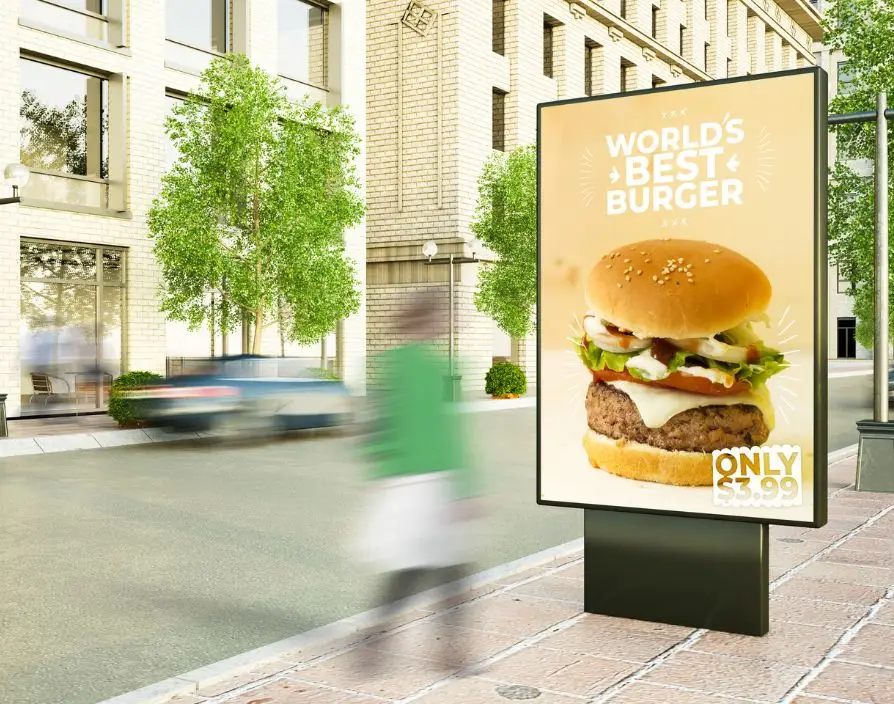
The new regulations include a TV watershed for HFSS adverts between 5:30am and 9pm (after 9pm, rules still apply), and a total ban on paid-for online advertising of less healthy food and drink (which includes social media adverts, and using influencers). You cannot use any film, tv or branded characters with strong child appeal, or any celebrities or influencers that are popular with children to advertise your ‘less healthy food and drink product’.
What products count as ‘less healthy food and drink’?
To be caught by the rules, an ad must include an ‘identifiable’ less healthy food or drink. The product will be identifiable, even if it only shows a recognisable packet or recognisable branding, for example.
To find out whether your product is considered ‘less healthy’, you would need to use the ‘Nutrient Profiling Model‘, and consider whether your product falls within one of the 13 categories listed in Schedule 1 of the Less Healthy Food Definitions Regulations, which can be found here. It is best to check if your product is caught by these restrictions, as even products such as breakfast cereals are caught in category 3.
The schedule also sets out which products are exempt from these advertising restrictions. Exemptions might include, for example, food for special medical purposes, diet replacement products, or products for infants and young children such as infant formula and baby food.
Is this relevant to my business?
Businesses with 250 or more employees (including franchises, where staff numbers are counted together), who are involved with the manufacture, sale, or promotion of these less healthy food or drink products, and pay to advertise less healthy food or drink products.
The rules apply whether advertising is arranged by head office, a franchisee, or an external agency. Even home‑based operators are covered if they belong to a brand or group that meets the 250‑employee threshold.
Non-compliant businesses face enforcement action from the Advertising Standards Agency (ASA), which may include the ASA referring repeated breaches to Ofcom or Trading Standards, resulting in fines or sanctions.
We can help
If you require assistance from our trusted team of experienced franchise specialists in relation to this new regulation, or for any aspect of your franchising journey, please visit our Franchising webpage here or contact us via email at [email protected].