Support is one of the most overused words in franchising. Every brand talks about it. Every prospectus promises it. What matters, in my view, is much more practical. How does a franchisor behave on the days when you actually need help?
As the CEO of Caremark, a national home care franchise network, I spend a lot of time thinking about those days. The check-in after a busy first month. The conversation when an office wants to invest and grow. The call after an inspection when a registered manager and franchise owner want to talk through what comes next. Those are the moments when support is either real or revealed as marketing.
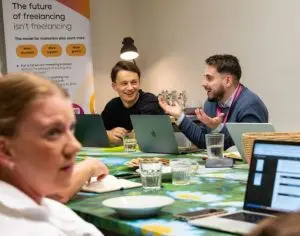
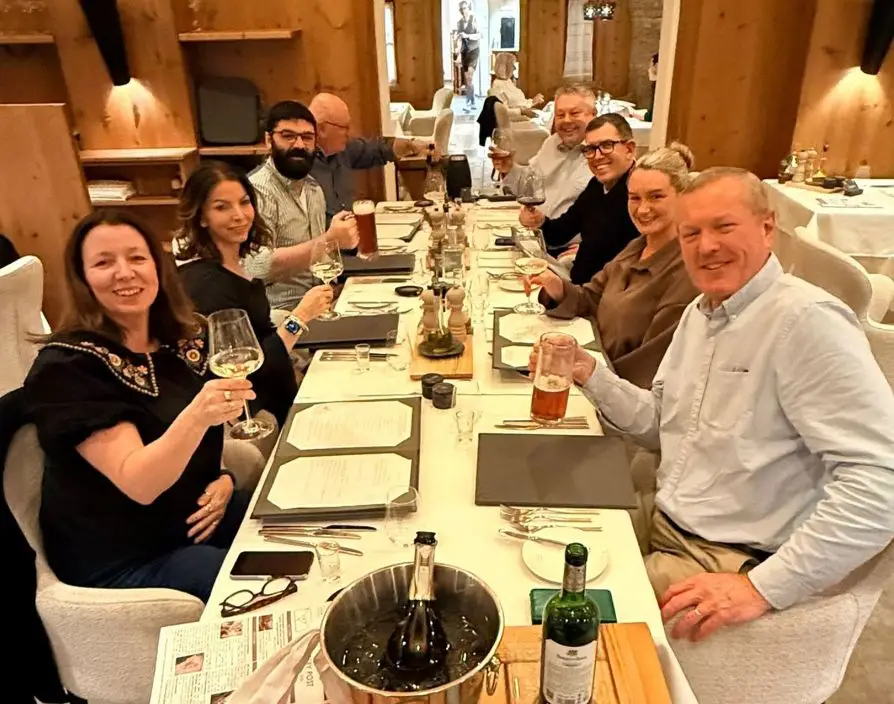
Earlier this year, I joined members of our senior team for a few days working together away from the office. It was not a reward break. We took ourselves out of the day-to-day so we could focus on one thing: how we work together to support others.
We spent time talking, walking and looking at the business with fresh eyes. Getting to know each other better as people and understanding what each of us needs to do our best work. It showed me that if Caremark’s internal teams do not feel understood, backed and connected, it is very hard for them to offer that same level of support to franchise owners.
Listening to the conversations, I started to see our support in a clear structure. In my mind, it has three layers. First, how we treat our own people at the Franchise Support Centre. Second, how those people support franchise owners. Third, how owners experience the model in their own communities. The whole point of investing time in our senior team, and in our internal culture, is to strengthen that first layer. If that foundation is weak, the others will eventually crack, no matter how strong the brand or system looks on paper.
So, what do layers two and three look like in practice? For me, it starts with being available and present. My door, inbox, and phone are open to our support teams as well as to franchise owners. I sit in on team meetings. I listen to how people talk about offices by name, not just by territory. I pay attention to the tone we use when we discuss challenges and plans. If the conversation is respectful, honest and focused on solutions, there is a good chance our franchise owners will feel the same from us when they pick up the phone.
Staying close to real life in the network matters to me. That is why you will often find me sitting in on interviews for key roles, spending time in offices around the country, or joining calls where owners and managers want to talk through their ideas or concerns. The aim is not to run their businesses for them, but to understand what they are facing and to see how our own teams connect with them. It is in those conversations that you see whether support is truly embedded, rather than only written in a strategy document.
There is another side to support that I feel is often overlooked. Support is not the same as saying yes to everything. Some of the most helpful conversations I have with franchise owners are the ones where I say, “I understand why you are considering that, but I do not think it is right for your business or for your customers.” In home care, we carry responsibility for people’s lives and well-being. Sometimes support means asking someone to slow down, rethink or take a different route, because that is what will protect quality and reputation in the long term.
If I were looking at franchises today, I would want to know how a franchisor thinks about these things. Who would my main contacts be once I am in the territory, and how long have they been with the organisation? I would ask how often the CEO and senior team visit offices or join calls with owners. Do they have examples of how they have responded when offices have faced pressure, and how they have helped them move forward rather than step back?
I would also watch the smaller details. When you visit the head office, do people seem to know their owners well? Do they talk about them with respect? Are they willing to share where they are still improving, not just what already works? Those small signals often tell you more about a support culture than any headline promise. They show you whether support is built from the inside out or added on at the end of the sales process.
In the end, a franchise network rests on two pillars. A proven model and a genuine commitment to support. You need both. The model gives you structure. The support gives you the confidence to use it, to adapt within the framework and to keep going when the job feels heavy.
My own aim, and the challenge I set for Caremark, is this: we should be the kind of franchisor we would want to partner with if our own savings and reputation were tied to a single territory. When support is built from that starting point, from the inside out, it stops being a word in a prospectus and becomes part of how you work, every day. For any prospective franchise owner, that is the difference that makes a network worth joining.