After months of closed doors due to Covid19, the hospitality sector is finally coming back to life. Now the sector needs to consider new revenue streams to remain viable and future proof against further potential restrictions.
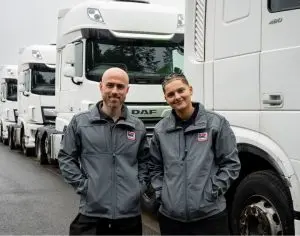
James Brundle and Chris O’Connor are joint founders at innovative London food retailer Eat17. The company has been in business for 14 years and with four successful stores operating around the capital, believes their combination of a convenience food retailer with eating in could be a model for ailing pubs, bars and restaurants.
They’re now offering their business model as a franchise model for bars and eateries keen to develop their business and consider new streams of revenue.
Here James looks at how businesses need to diversify to survive.
The last four months have undoubtedly been the toughest most businesses have ever had to face. One day doors were open, bookings were being taken and business was booming. The next the hospitality sector was told to lock up and was given no definitive date for return.
The sector has been one of the hardest hit during the pandemic and subsequent lockdown. According to estimates from UK Hospitality, the sector experienced a 97% drop in revenue from the beginning of April.
And now we’re beginning to see the fallout from home working with empty city centres and coffee shops and sandwich bars which thrive on lunchtime trade, struggling to make ends meet.
For a business to move forward and begin to future proof, diversification is key to increase profitability and ensure survival.
Different businesses will have very differing reasons for diversifying. For some it is simply about survival – if you offer a small number of products and services, then your customer base is limited. By adding more items or services you will naturally increase the customers you can reach.
For others it can be a proactive growth strategy. By adding new products and you can attract new customers and kick start growth.
But for businesses facing the daily pressure of just keeping open in this post Covid19 world, where do you start and what processes do you need to go through to successfully integrate an additional income stream?
How to diversify
The best ways to diversify a company will always focus on providing the most value for the customer.
There are many ways to diversify but the most natural is to introduce a complimentary product or service that you already provide to customers. For example, if you run a restaurant, why not consider offering a take-away service or a deli selling some of your favourite products and a few new ones too? Or indeed introducing a convenience store element, like that at Eat17, to a pub or bar.
You can consider brand extension by introducing unrelated products or companies. This is slightly riskier but maybe a risk worth taking if you’re serious about success across a number of different fields.
Your strengths
Build on your strengths. If you already operate in the food and drink sector, then find a way to compliment that. You will have knowledge on the products and services that work, where the gaps are locally and what your customers are looking for.
Do your research
Always carry out market research to gauge whether your customer base is receptive to the new product or service you’re planning to introduce. This will be helpful in deciding whether it’s the right move for you. Also look along your high street, town or village. Could this diversification work well for you? Will it be filling a gap for customers?
Internal pressures
Do you have a good management team in place who will work alongside you to navigate the changes you’ll have to make? And are there the funds available too? If not, you need to consider external investment.
Timing
Getting the timing right is critical. Make sure your business is running smoothly before you start the process – it will take up lots of management time and you will need the resources and staff to support you.
There is a natural inclination to maintain the status quo as a business and play it safe. However, some of the most successful businesses are not afraid to do things differently.