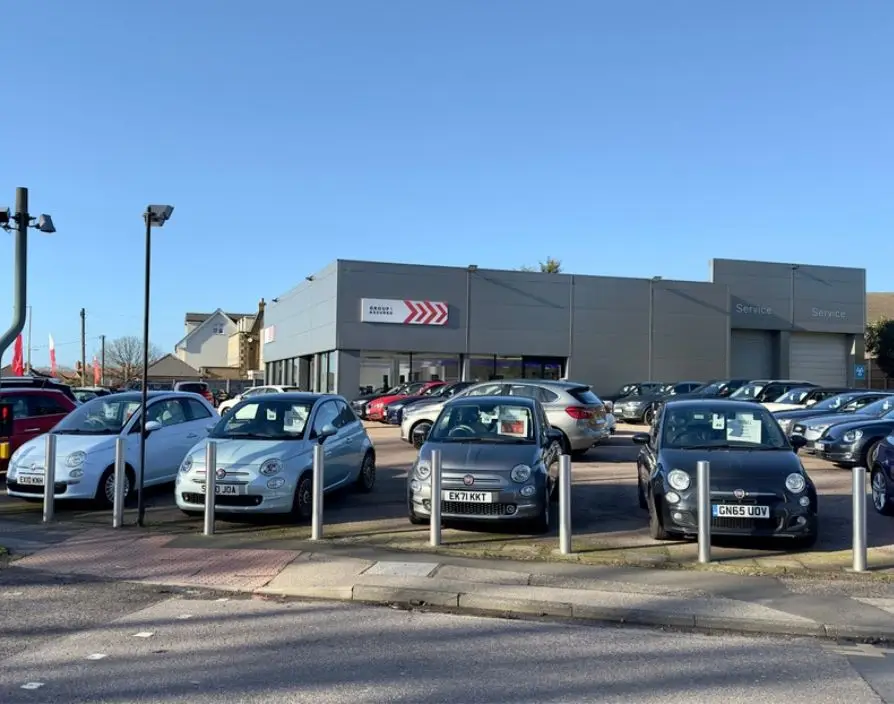
It all started well. My wife found a handsome-looking beast on Autotrader that fell within our price range, so we booked a time to view it.
When we arrived, we were greeted politely by the dealer and given ample time to have a good look over our chosen quarry. The building was well presented, with good coffee and pleasing ambient music on tap. All thumbs up at this point. Even the kids seemed to be getting into the viewing. The test drive was equally reassuring and, on returning to the dealer, a price was agreed and a deal struck with the smiling salesman.
Unfortunately, that is where the positivity ended. I will not bore you with the litany of complaints, but suffice to say we had bought ourselves a lemon. The dealer squirmed and wriggled as much as possible to avoid responsibility, and I was left with a very lemony, sour taste from the whole experience.
As I waited for yet another call back (coolant warning light this time), it occurred to me that there is a significant missing piece in the car purchase process. I never had a chance to speak with the previous owner, or indeed other owners of the same car, or people who had used the same dealer. Had this happened, maybe the outcome would have been different.
Thankfully, “the horse’s mouth” is much more available when you are considering joining a franchise network.
Once you start to delve deeply into your chosen brand, one of the most important steps of the due diligence process is speaking to existing franchisees within the network and, if you are considering a resale, the existing owner of the business.
Remember, the franchisor might just be a car dealer, presenting you with the most visually appealing version of the business while neglecting to highlight the challenging realities of business ownership.
Not so the existing franchisees. If you want a warts-and-all opinion, they are usually all too happy to share it.
So, what should you ask? This will obviously differ from brand to brand, location to location, and person to person, but here are a few ideas to get you started.
What were your actual start-up costs versus what the franchisor projected?
Pretty straightforward, this one. A starter for ten on how accurate the information the franchisor is providing you with. If there were no hidden surprises and the franchisee was able to budget correctly, we are off to a good start.
What is harder than you expected? What is easier?
A great conversation starter. You will be amazed how much information you can glean with these two simple questions. If the franchisor in question has been economical with the truth and omitted to point out some of the business challenges, they will appear here, clear as day. Equally, it gives franchisees the opportunity to tell you what they love. This is often different to what the franchisor expects and can be a hidden bonus.
If you could change one thing about this franchise, what would it be?
This question has a habit of getting to the nub of your interviewee’s biggest gripe. It is framed in a positive way, but do not be surprised if the answer you get is less so. It does not mean the franchisor has missed a trick, but it is worth asking them why this idea has not been actioned.
Is the management service fee and royalty structure fair for what you receive?
A simple cost-benefit question, but an important one. Ultimately, the franchise network will always want more of everything, but this framing keeps the needs-versus-wants question fair. Does the franchisor offer good value?
Knowing what you know now, would you do it again?
The biggest question of all. Whatever the answer, make sure you follow up with “why?”. This could be the most important question you ask for the next 5, 10, or 25 years.
When you get to this stage with your franchisor, make sure you are speaking with multiple franchisees at different stages of their career. At least three would be my suggestion.
Make sure the franchisor is not cherry-picking the best of the bunch, and that those you speak to have been given the opportunity to speak openly and fairly. Listen to their responses, but remember to be objective and realistic. Life is not a bed of roses all the time, and neither is running a business. Write everything down and look for common trends in their responses. The truth always lies in the data.
Take your time and good luck. I am off to buy some more coolant for our thirsty problem child.