Nigel Toplis compares franchising to a three-legged stool, and how the industry could boost the flagging UK economy, post-Covid.
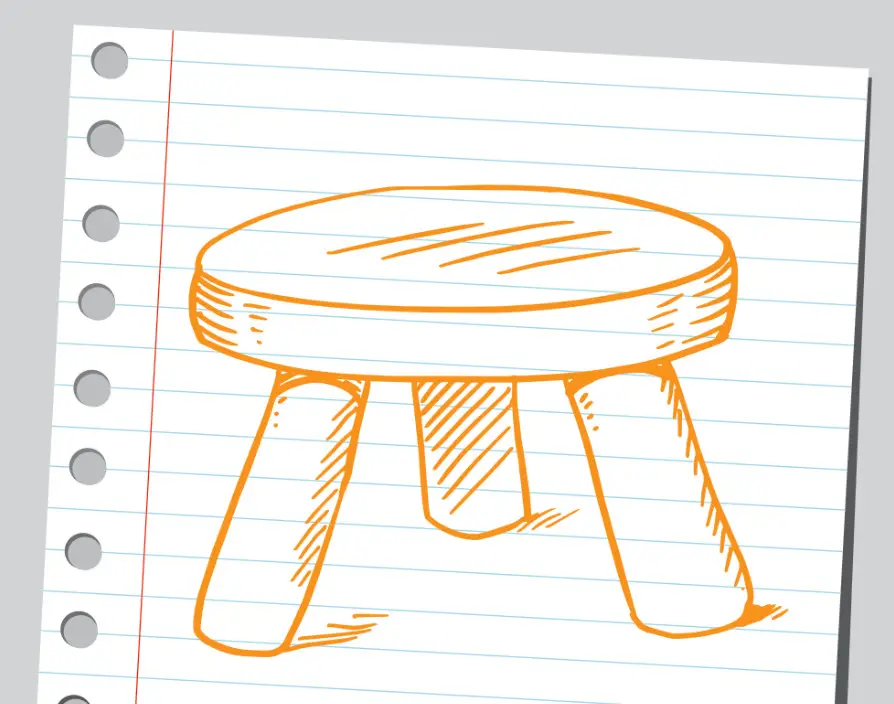
I have been involved in franchising for 27 years and was mentored in the field by one of the fathers of this wonderful sector – Moshe Gerstenhaber. Moshe brought Kall Kwik to the UK in 1979 and established a high street super brand. We had many long discussions during my eight years working together. We pondered and theorised about franchising being a three-legged stool, and how such a seemingly unstable object could become a symbol of strength and robustness.
If the burden of weight is equally distributed over three legs, and the legs themselves are well coordinated, then the stool is not just stable but incredibly robust. In effect, the greater the cooperation there is between the three legs, then the greater the stability.
And as the country’s financial brains and Government officials ponder how best to regenerate the UK economy post-Covid, then my conversations with Moshe about the three-legged stool many decades ago, spring to mind. But why three legs? Well, simply put, there are three main elements to franchising.
Leg No 1 (The franchisee)
Research indicates that over 93% of franchises remain in business after two years, while 80% of independents go bust. However, simply by joining a franchise does not mean the business will definitely be a success. Success is earned through a combination of factors. Firstly, there is the need to understand and adhere to the franchise business system. Then, you add in the vital ingredients of hard work, energy and ambition.
The rationale is clear: The franchisor and franchisee have well defined but individual responsibilities to the business. And when both parties acknowledge these separate responsibilities, it helps the system to grow. As Moshe once remarked, it is because the system is developed continuously, you never actually purchase the system, but simply lease it. It’s an ongoing development.
In effect, the franchisor ‘leases’ the business system to the franchisee in exchange for ongoing fees. In return, the franchisee follows the system’s blueprint to the letter, and so contributes to its on-going development. The franchisee must take their responsibility to the local economy seriously, and be committed to delivering value for money. They should employ local people and participate in local community activities.
Leg No 2 (The industry or market)
It is imperative for a prospective franchisee to select their industry/market carefully. Being a franchisee is not the same as having a job. This is not nine-to-five. The franchisee needs to be confident that their chosen market will remain robust, sizeable and appealing – for at least the next 10 years. Most reputable brands offer 10-year franchise agreements.
And the franchisee must show enthusiasm to the industry. If there is no desire to work outside in a physically demanding environment, then there is little point purchasing a franchise where you remove tree stumps. There needs to be an empathy with the industry.
Consider the following:
- Is it a robust market (not subject to wild swings due to season, trends or fashion?
- Can you see the market strengthening?
- Can demand be sustained?
- Is the market fragmented?
- Is the industry growing or declining?
- Do a few key players dominate and, if so, do they compete aggressively?
- How do competitors build market share?
- Are there multiple income streams available?
- Can you identify new business opportunities within the market?
- Do other industries have products or services which add to the competition?
Only after a prospective franchisee has done their homework comprehensively, are they in a position to search for the best franchisor in their chosen sector.
Leg No 3 (The franchisor)
The purpose of the franchisor is to continually evolve the business. This means tweaking the system, creating new opportunities, developing new revenue streams, and investing in product development. By doing just one, or a combination of these activities, the franchisor will help to ensure the business remains robust, and that new opportunities will become available to franchisees.
It is the responsibility of the franchisor to modify the business model so that it reacts positively to ever-changing market conditions. Franchisors need to implement their own marketing and communication strategies, while allowing franchisees to have daily contact with the market and its customers. The franchisor and franchisee bring two separate skill sets to the business, but together share one common ambition.
A relationship of close cooperation and trust between franchisee and franchisor is vital for the continuing success of the brand. Franchising is a marriage. The franchisee delivers value to the customer, while the franchisor provides and evolves the business system.
Conclusion
A balanced and secure three-legged stool is largely a ‘win-win-win’ existence. If only the Government could understand this, then franchising could play an even bigger part in the regeneration of the post-Covid economy. When furlough ends, unemployment will increase, and the UK will have to find a way to absorb this large pool of out-of-work talent. Ambitious, skilled and dedicated individuals will lose their jobs, as the private sector is forced to downsize, with pockets of it closing altogether.
Franchising is not the only solution to the economic challenge, but it is certainly one segment of it. Franchising offers a business opportunity for enterprising individuals who wish to create wealth, develop expertise and ultimately share prosperity. Franchisees focus on their own local areas. They usually reside in these territories and are part of the local community on many levels.
So what better way to regenerate the UK than from the ground up? Establish and develop local businesses, employ local people, and pay local taxes which go towards the development and upkeep of local amenities. A three-legged stool may not appear to be an object of strength, but it certainly works efficiently and robustly.