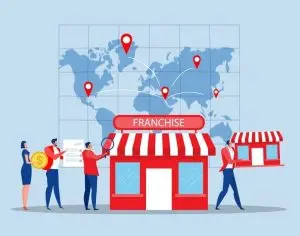
The first and perhaps the most obvious is that most countries participate in both the Olympics and franchising. Global franchising is now estimated to be valued at $900 billion and is only set to grow further.
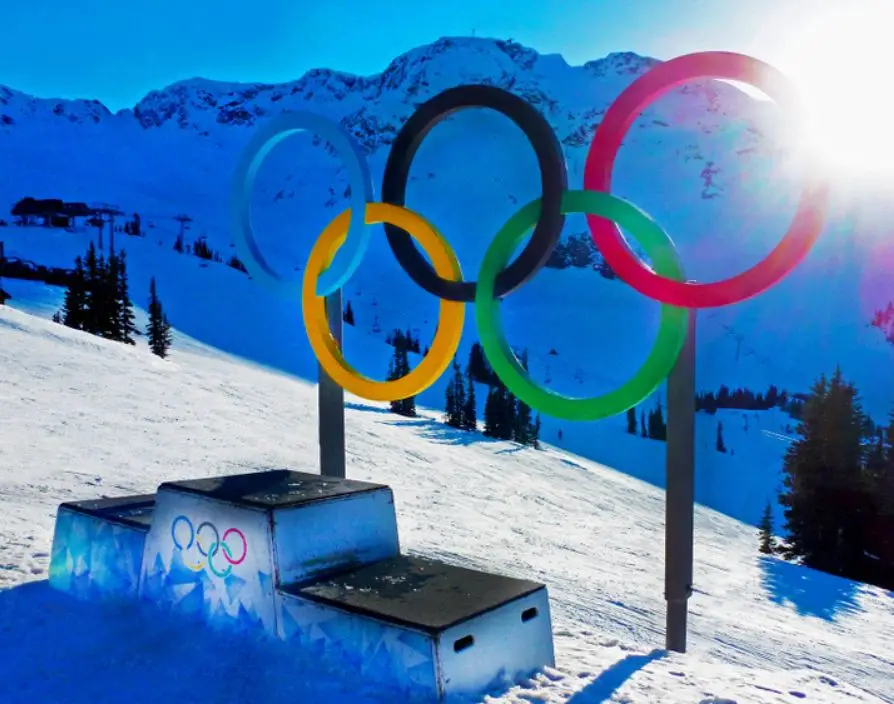
A second top level similarity is that the IOC owns the brand — the Olympic rings in the same way a franchisor owns theirs — the golden arches for example. The IOC will only allow licensees to use the brand — typically this is the sponsors and individual country organisations — Team GB.
The IOC awards the Olympics to a specific country. A franchisor awards the franchise to a specific person or organisation.
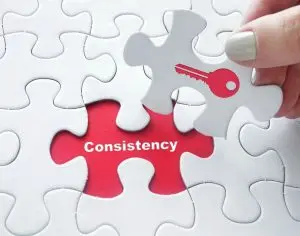
The Games feature a consistent “product” (the sporting events) delivered across various venues, imitating how a franchise maintains consistent quality and branding across multiple locations. Similarly to how a franchise provides the same food, experience or service globally, the Games strive to deliver a consistent, high-quality experience for fans, athletes, and broadcasters worldwide.
However, as with the competitors, not all franchisees perform in the same way. But as with franchisees there are winners, those that are on the top of the podium when the sales, etc. tables are released or win medals and those that are good enough to be involved — and probably the best from their country.
In any network there will always be those that perform well but when you look at specific athletes they can improve or deteriorate from one Olympic Games to another. Take Matt Weston, GB’s skeleton athlete. In 2022 he finished 15th in the individual event. Then in 2026 he won gold — a huge improvement. Not only did he achieve that he also won the mixed event gold with Tabitha Stoecker.
In franchising it can be a number of things that can improve performance and includes the franchisee stopping fighting the system and going their own way to embracing the model and sticking to it. Similarly, from not paying attention to advice to taking note and action. Let’s not forget the basis for franchising here, it is, or at least should be, a proven model that if you follow you are more than likely to also succeed.
Both in the Olympics and in your high street/territory there will also be competition and so you need to keep an eye on what they are doing. If they are starting to improve — longer queues or waiting times for their service, you should try and find out what they are doing. Of course, it goes without saying that if they have drastically reduced their prices to gain new customers that might not be the best approach to take.
Another similarity is that in both areas you will have a coach and a wider team supporting you. In the Olympics it is probably a coach, a nutritionist, etc. With the franchise you will also have a coach, typically a Franchise Manager to support and guide what you do. However, their wider team will be operational, marketing and finance support — to name just a few.
The event itself is like a franchise conference. All the athletes come together to compete but also support their fellow competitors — I witnessed huge camaraderie in the snowboarding events between competitors from different countries supporting and celebrating their attempts. The franchise conference sees all yHaving been watching a lot of the Winter Olympics I thought I would take a look at some of the similarities with the World of Franchising.
The first and perhaps the most obvious is that most countries participate in both the Olympics and franchising. Global franchising is now estimated to be valued at $900 billion and is only set to grow further.
A second top level similarity is that the IOC owns the brand — the Olympic rings in the same way a franchisor owns theirs — the golden arches for example. The IOC will only allow licensees to use the brand — typically this is the sponsors and individual country organisations — Team GB.
The IOC awards the Olympics to a specific country. A franchisor awards the franchise to a specific person or organisation.
The Games feature a consistent “product” (the sporting events) delivered across various venues, imitating how a franchise maintains consistent quality and branding across multiple locations. Similarly to how a franc