There are now over 11 million gym members in the UK, and Gen Z are leading the charge, treating fitness and wellbeing as non-negotiables.
Franchises are a big part of why this works: consumers get the confidence of a big-name brand, paired with the buzz and impact of a proper local community. With consumer expectations and behaviour continuing to evolve and priorities shifting, 2026 is shaping up to be a huge year for UK fitness franchises … maybe the biggest one yet.
The market is bigger (and still growing)
The headline story is simple: the UK fitness industry is continuing to rise. 2025 saw the market value reach £6.5 billion, UK gym membership numbers surpass 11 million and market penetration increase to 16.6% – all record highs. (2025 Leisure DB State of the UK Fitness Industry Report).
This momentum and increased demand is fantastic news for fitness franchising and there are still so many untapped areas of potential with latent demand for a high-quality fitness facility.
We’ve seen it first hand; new Snap Fitness gyms in the past 12 months opened 44% more memberships than those in the previous 12 months. The market is by no means saturated and there’s still plenty of UK towns and cities that need more fitness offerings.
Gen Z are all-in on exercise (and they’re paying for it)
The exciting thing about this growth is that it’s sustainable. One reason 2026 feels different is that the “fitness-first” generation of Gen Z is now a major buying force and could be for years to come.
Research has found that 73% of Gen Z exercise at least twice per week (up 11 %vs 2024). Even more significantly, 44% of Gen Zs report that fitness is in their top two discretionary spending priorities, with an average spend of £48.81 per month across memberships, apps and equipment.
Gen Zs also thrive on community and belonging, both of which are the backbone of a successful fitness franchise. By providing them with a fitness facility which has everything they need, combined with group exercise classes and meaningful opportunities to connect with each other, you have a winning combination.

We’re in the “wellbeing era” – recovery and low-impact are flying
Consumer behaviour continues to change and the most successful franchise models are the ones that adapt with it.
We’re now in the modern wellbeing era, where progress isn’t just about lifting heavier, it’s about feeling better, moving better, and recovering smarter.
That means creating gyms that support the full wellbeing journey. It’s no longer about packing locations with treadmills and weights, people want an all-in-one facility where they can recover and recharge. At Snap Fitness, we’ve adapted our model significantly over the past year, changing our gym design to incorporate dedicated recovery areas and the introduction of Reformer Pilates, an incredibly popular low impact exercise format.
To give a glimpse into the consumer demand of Reformer Pilates, Google searches for “Reformer Pilates near me” increased by 400% from 2020 to 2024.
For franchises, this shift in behaviour opens up big opportunities to incorporate these into their offering which keeps members coming back even when they’re stressed, busy, or managing aches and pains
A strong alternative to QSR: lean staffing, fewer cost shocks
Let’s talk business for a second. 2026 could be a stand-out year where fitness franchising comes onto the radar of more franchisees already in the hospitality space.
Fitness franchises can be a compelling alternative to other concepts because many models run with lean core teams, supported by self-employed coaches or instructors. To give an insight into this, a typical Snap Fitness club can operate with two full-time employees plus self-employed PTs/instructors, with an average payroll-to-revenue ratio around 10%.
Compare that to hospitality, where labour and food costs tend to dominate the P&L, and you can see why more franchisees are looking at fitness as a way to build something scalable without feeling the pinch of rising operational costs.
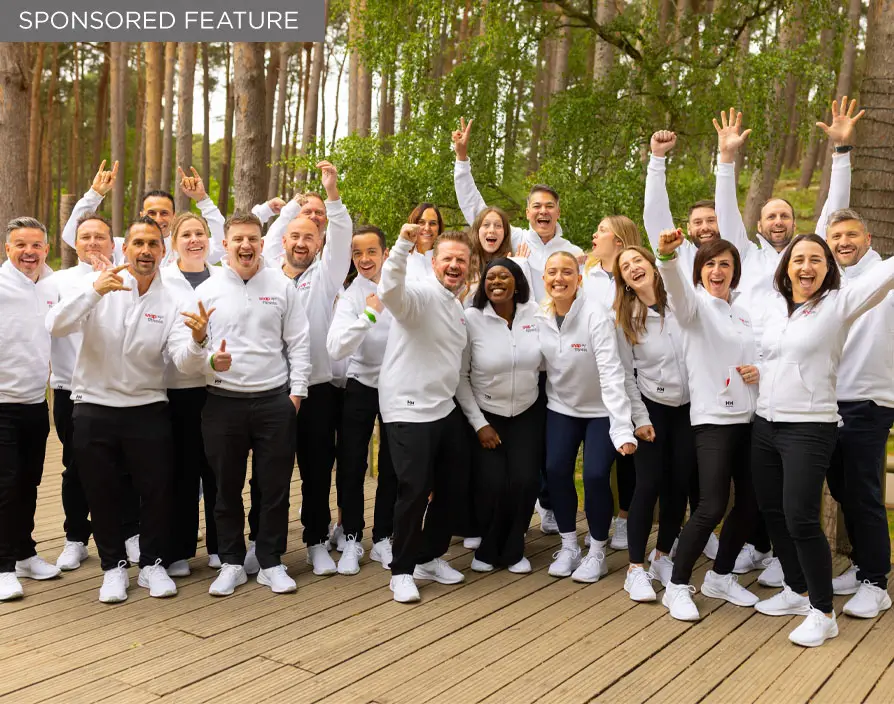
This article comes courtesy of Snap Fitness 24/7 the fastest growing fitness franchise in the UK, with a network of 100 franchises in the UK and over 1,000 globally.