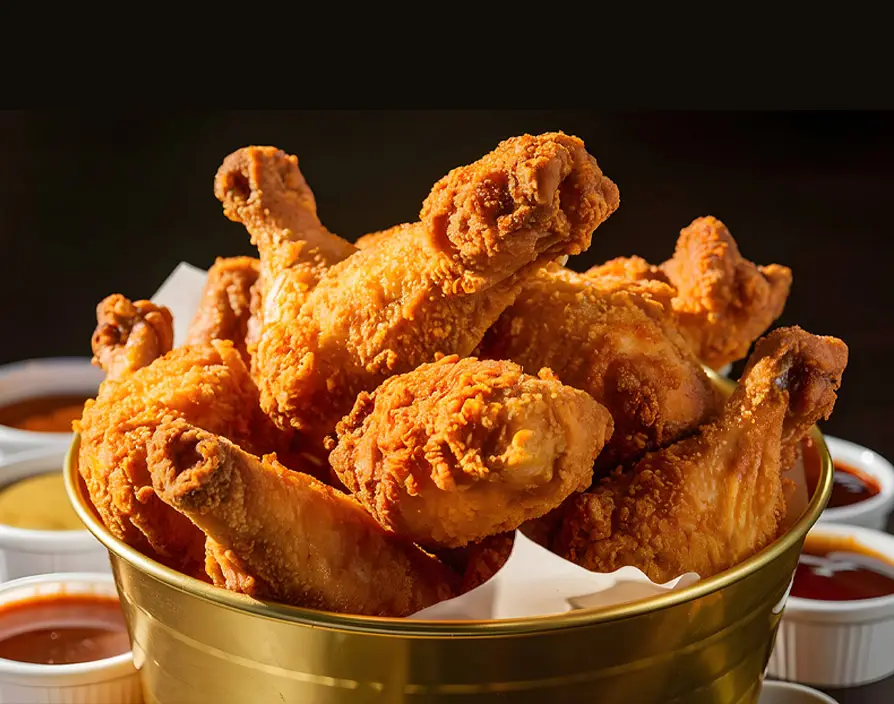
Nando’s, a brand which is now a household name and popular culture icon, opened its first location in the UK in 1992 and has since gone on to achieve dizzying heights of success. The first UK KFC was 30 years prior to that in 1965. Today, there are over 1,000 KFCs across the country, with around 95% of these operated by external franchise partners.
The intense popularity of chicken shops seems to have only grown and, while there a number of home-grown favourites, American brands are seeing remarkable success and becoming a defining feature of the UK high street.
Take Wingstop, Popeyes, and Dave’s Hot Chicken. Wingstop entered the UK market in 2018 and now boasts around 60 locations. Popeyes launched its first UK restaurant in November 2021 and has rapidly expanded to more than 80 sites. Dave’s Hot Chicken, the viral Nashville hot chicken brand, successfully made the leap from the US to UK shores at the end of 2024, capitalising on social media momentum to drive demand in previously untapped markets, with the goal of opening 60 locations.
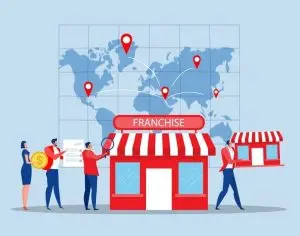
Many of these have seen UK explosive growth and success through franchise models, leading to the question: what are the secrets of their powerful playbook?
American brands come to the UK with a sense of comforting familiarity. Their place in UK culture is embedded through decades of exposure to US movies, television, and music. Today, social media acting acts a ‘discovery’ platform, brands are featured in music and rap, and viral videos including Chicken Shop Date etch them further into the fabric of British culture. However, it’s not simply about a ‘copy and paste’ format. Brands – and the franchisees opening them – need to have the freedom to build in micro-localisation. Flexing without diluting brand equity.
Wingstop is a prime example of how to execute a brand translation well and build at scale in a franchise market. Its entry to the UK has been strategic and culturally aware. Franchise partners receive a design manual to ensure the essence Wingstop can be maintained, whilst building in adaptations for local market nuances.
In the UK, they bring a high energy vibe, bold and bright branding, and that crucial shareability which is often associated with US retail brands such as Nike, Glossier and even Crocs, a previously ‘uncool’ brand which has seen a massive popularity spike with Gen Z. Wingstop collaborates with UK influencers and personalities, especially within sports and music, making sure they are digitally forward and in-tune with their audience. It’s brand tone, no-nonsense and flavour-first, is in perfect synergy with the culture of younger millennials, Gen Z, and even the older Gen Alpha’s who are beginning to make conscious consumer decisions.
Wingstop have developed their UK brand in an authentic way. It’s entry and subsequent growth doesn’t feel forced. They have taken the time to understand what is unique about the environment, from the target audience groups to the competitor landscape, cultural touchpoints, wider dining landscape, and more. Their menu offers customisation, from heat levels to a flavour selection which appeals to a global palate, meaning there is something for everyone, especially important within the UK’s multicultural society. It’s no wonder that franchisees see it as an attractive and scalable investment. The brand’s broad consumer relevance, premium positioning and the demand it creates means a new opening will have solid audience base from day one.
On the other hand, a brand such as Dave’s Hot Chicken’s has seen success from a powerful mix of product simplicity, bold brand attitude, and cultural timing.
Dave’s Hot Chicken has a simple, effective and irresistible foundation: spicy, Nashville-style chicken. This means bold and spicy flavours in a busy chicken market. Flavour intensity and heat became their clear point of difference.
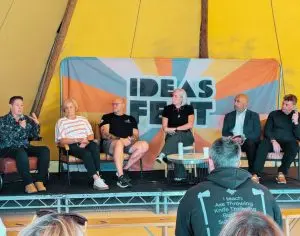
Social media played a huge role in the rise of Dave’s Hot Chicken. I was fortunate enough to be at a conference where its founders talked about how they launched the brand and created fandom from a small parking lot pop up in East Hollywood. They utilised the power of social media, building a buzz which attracted international attention. Subsequently, their brand is built for Instagram, TikTok, and digital-first engagement. The food must taste good, but equally it needs to be visually impactful through massive, juicy tenders, vibrant spices, molten cheese and stacked sliders – designed to be photographed and shared. Younger UK consumers, especially in urban hubs such as London and Birmingham, respond to the FOMO-marketing hype culture queues, influencer reviews, limited-time buzz which all feeds a sense of urgency and excitement.
Dave’s Hot Chicken’s cool brand positioning also has a role to play. Keeping its urban start at heart, it brings a no-frills, streetwise brand with a rebellious streak energy. The aesthetic graffiti, street signage, loud branding gave it a gritty, pop-culture appeal that feels new and exciting. Simple but relevant. They have garnered a celebrity cult status (Drake and Samuel L. Jackson) which in the UK has added cultural relevance and buzz especially with younger audiences who value status and storytelling behind the brands they choose.
Their absolute customisation has tapped into the longstanding ‘Spice and Challenge’ culture, following in the footsteps of brands such as Nando’s which has turned people’s heat preference into a playful expression of personality and social identity. The ‘spice level” model taps into a global trend around heat, thrill, and gamification in food. UK audiences, particularly Gen Z, enjoy these kinds of shared, competitive, and video-worthy experiences and Dave’s is delivering that with flair.
What all successful brand translations share is the ability to call upon those who have specialised expertise and experience in translating brand experiences across markets, alongside deep-rooted in-market knowledge. Preserving the soul of a brand requires a nuanced approach and careful consideration of each project’s unique context, ensuring authenticity is maintained whilst finding resonance in new markets. The brands that will thrive in our increasingly connected world are those that can tell a compelling story whilst making each customer feel that their local experience is uniquely tailored to them and for them. It’s about understanding not just cultural differences, but guest expectations, and the subtle art of making global brands feel authentically local.
The consistent and constant demand for US-style chicken shops shows no signs of slowing down. Urban and younger audiences crave the global flavour they bring to our high streets. Bold visuals, hype-driven marketing, and always-on digital brand presence means the seeds of brand loyalty are sown before people even step foot into a store. There is demand for these brands to be near them – delivering the experiences they see online in environments which feel different from the restaurants their parents and older relatives in their life favour.
The one piece of advice as we look to the future, is brands and franchise owners need to ensure they continue to invest in brand evolution. Today’s world is quick to move on to the next trend and while chicken shops may currently be the flavour of the month, evolution to maintain cultural relevancy, connect emotionally and socially, and to continue to attract both existing and new customers through the door will be critical to future success. Staying still will, inevitably, mean brands get left in the past.