When we think about the reasons people join a gym, the usual suspects come to mind; improving health, gaining strength and losing weight. However, if you dig a little deeper, particularly with Gen Zs and millennials, there’s a powerful motivator emerging that could be more powerful than them all; social connection.
We’ve seen first-hand how the gym has evolved from a solitary training space into something much more dynamic. It’s becoming a third place, after home and work, where people go to feel part of something bigger. For younger generations, this shift is especially significant.
Recent research from our industry shows that 37% of Gen Z consider working out a way to socialise, and 42% have formed new friendships through fitness. This isn’t just a nice-to-have side benefit, it’s becoming a core part of why people show up. When we understand that, it fundamentally changes how we think about fitness and the future of gym franchising.
Fitness as a shared experience
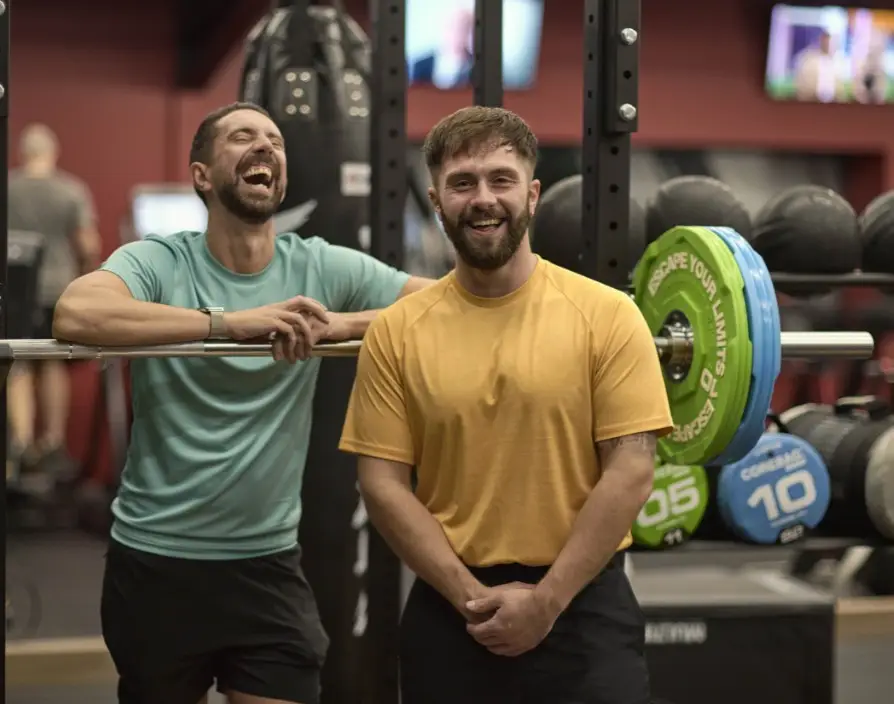
The rise of social fitness runs deep into our DNA as people – we thrive in community. Whether it’s sweating through a HIIT class or learning to lift weights with a friend, working out with others creates bonds that go beyond endorphins.
However, it doesn’t happen by accident. As an industry, we need to deliberately design our spaces and experiences to foster connection and not just competition. That means reimagining the entire gym journey, from induction to day-to-day engagement.
From ‘gymtimidation’ to belonging
The first hurdle for many new members, especially beginners, isn’t physical. It’s emotional. We call it “gymtimidation” which describes the anxiety of stepping into an unfamiliar environment filled with confident regulars and complex equipment.
At Snap Fitness, we’re tackling this head-on by transforming our induction experience. Rather than leaving new joiners to fend for themselves, we’re turning inductions into shared group sessions and guided walkthroughs that connect people from day one. It’s not just about showing them how to use the machines, it’s about introducing them to a community.
We’ve also revamped our group exercise classes, putting energy, inclusivity, and fun at the centre. And it’s working. We’ve seen a 33% increase in class attendance, with tens of thousands more members getting involved. These aren’t just workouts, they’re shared experiences that create a sense of belonging.
The franchise opportunity
This shift isn’t just culturally important, it’s commercially powerful and can future proof your investment. Franchisors who understand the social aspect of fitness have a golden opportunity to attract and retain a highly engaged audience. Gen Zs and millennials are already the most active generations and their expectations are reshaping the industry.
They’re looking for more than just access to equipment. They want environments that feel welcoming, inclusive, and human. Places where they can meet people, feel seen and be part of something meaningful.
For franchisees, that means investing in experiences that spark interaction, going beyond the playbook to include social events and community-building challenges. It also means training staff in empathy and hospitality, as well as fitness, so every member feels like they matter and are part of something.
Connection that lasts
At Snap Fitness, our vision is simple: we want every member to feel they belong from the moment they walk through the door. By fostering genuine connection between members and with the brand, we create loyalty that lasts longer than any fitness fad.
The future of fitness is exciting and a huge part of it is about bringing people together. If we can do that and make our gyms places where people build friendships, feel supported, and grow together, we won’t just improve retention. We’ll be changing lives.
In the end, isn’t that what we’re all here for?