Reaching a 20-year milestone in a sector as complex, emotionally charged and politically fragile as social care is no small achievement.
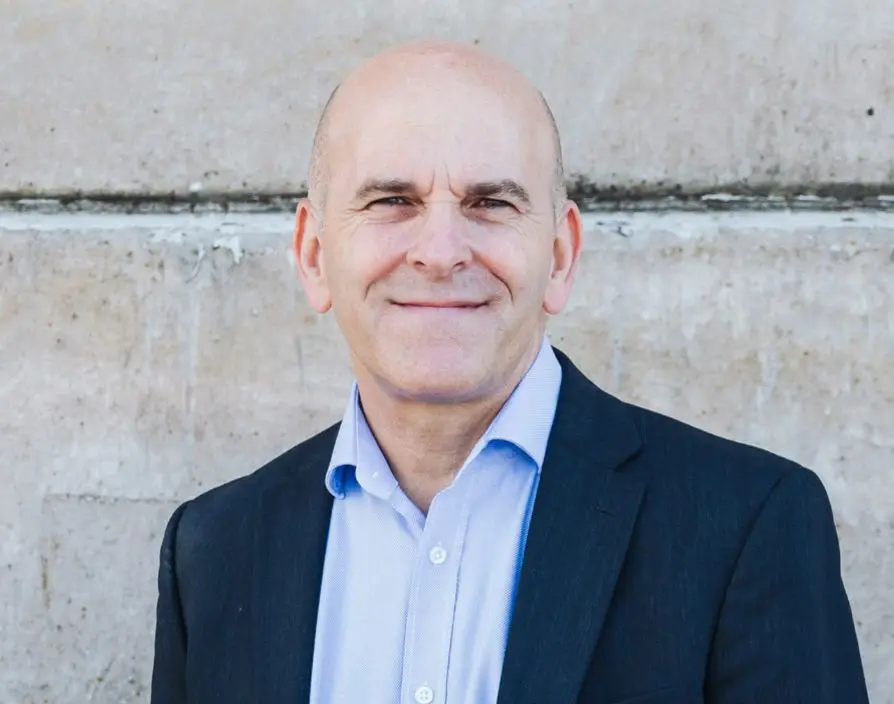
For Home Instead, it represents far more than longevity. It marks two decades spent reshaping the UK’s understanding of what care at home can and should be. For CEO Martin Jones MBE, the anniversary is a moment to look back at a journey defined by purpose, innovation and an unshakeable belief in dignity-led care. “It means a lot and it’s not until you look back that you truly see how far you have come. In our case, that’s a long way,” he says. And from his perspective, the transformation has been profound. “20 years ago, we introduced a new kind of care for older people: relationship-led, personalised, and rooted in dignity.”
What followed was a period of rapid evolution, adding new services, growing demand, and a franchise model that has scaled to 265 offices. The introduction of live-in care, healthcare at home, end-of-life services and more sophisticated dementia support has not only broadened the commercial opportunities for franchise owners, but strengthened the connection with clients who want to remain where they want to be – at home.
Leadership shaped by personal experience
Jones’ leadership philosophy towards care, was forged long before he became CEO. When his father fell seriously ill, he found himself navigating a system that felt unnecessarily difficult. That experience became central to how he now leads. “Care needs to be personal,” he says. And he means it literally. “Each individual needs a care plan built around their own needs and desires.”
But his takeaway wasn’t only about the individual receiving care, it was also about the hidden emotional weight carried by families. “My own experience also embedded in me the importance of thinking about the whole family when delivering care. Yes, the client remains our focus, but we are also there to help partners and the wider family, and, indeed the local community.”
The approach has become part of Home Instead’s DNA. The network now delivers memory cafés, dementia workshops, scam-prevention talks and a programme of community activity built around support, not just services. “It’s our way of acknowledging the impact on those around the client,” he says. That instinct has also shaped one of the organisation’s most ambitious projects: a year-long national research study into attitudes to ageing, resulting in the New Ageing Index reports. “These findings are helping us to shape our future care provision,” says Jones.
A mature network, and a shift toward resales
Twenty years in, Home Instead now finds itself in a different phase of the franchise lifecycle. With early owners approaching retirement, the market is changing, which Jones sees as opportunity, not risk. “We have actively pursued a strategy of multi-unit ownership,” he explains, noting that 40% of the network now operates more than one office. A dedicated Enterprise Group supports those with three or more territories, with new systems designed to improve efficiency and expand margins.
For newcomers hoping to enter the network, the message is that timing matters. “As our early adopters retire, it brings opportunities for people wishing to join our network,” he says. Those future owners need to be “people with strong leadership skills; strategic thinkers who enjoy developing dynamic teams,” says Jones. And for those scanning the market but still unsure he says: “It’s worth making yourself known to our franchise development team as you never know when a key territory will become available.”
Championing home care as the norm
Jones has become one of the sector’s leading advocates for repositioning home care as the default for elderly care. But change, he says, requires awareness, understanding and practical reform. “Firstly, I think we need to remember that home care is still a relatively new concept,” he cautions. “Private pay home care certainly is. So there is still a lot of education to be done; although I think we are getting there. We have been very active in marketing our brand – both at a local and national level. Our broadcast media campaigns have reached audiences running into millions and have helped to build awareness of our person-centred approach to home care. We need more awareness building from across the sector. This could be brand awareness activity but should also include vibrant storytelling which showcases the amazing work carried out by care professionals.”
But messaging alone isn’t enough. Professionalising the workforce is, for him, non-negotiable. “Care professionals need recognisable and transferable qualifications,” he says. They also need a clear career pathway so that they can see that there are opportunities for career development in the sector – and there are so many. “We also need to adopt a culture of recognition so that care workers feel valued for what they do – and this is a societal issue. They deserve to have the same recognition as that granted to healthcare professionals.”
The growth behind £300m in turnover
Home Instead’s financial trajectory has been shaped by a combination of demographic inevitability and deliberate strategy.
“You have to start with the ageing demographic,” Jones acknowledges. But equally important has been the push behind multi-unit ownership and enterprise-level support systems. “Our multi-unit and enterprise strategy has accelerated the brand’s market penetration.”
Policy developments are creating further momentum. “The recent NHS 10 year plan is focused on the delivery of more care in the community,” he says – a shift that aligns squarely with Home Instead’s operating model.
“This will be a strong driver for growth in the years ahead as we see the development of community-based healthcare hubs where I think we can play a role.”
Influence at the heart of the sector
Beyond Home Instead, Jones’ board and charitable work puts him in regular conversation with decision-makers shaping the future of care in the UK.
“These roles, particularly my trustee roles with Age UK and the Homecare Association help to keep us informed of the high level discussions taking place in the sector, as well as giving us a seat at the table.”
In the last year alone, he has met with senior NHS leaders, government ministers and MPs to discuss key issues affecting the sector.
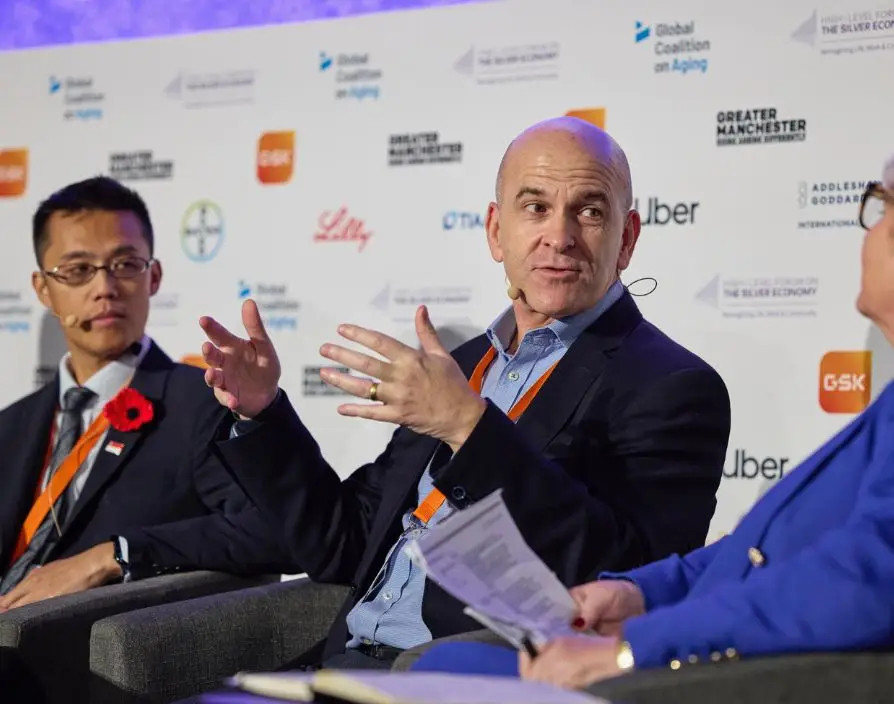
“With senior level contacts, I have also been involved in convening sessions, most recently at the Old Bailey, to discuss the impact of ageing on society. I was also involved in the Silver Economy Forum; an event which brought together world leaders in the ageing space. I was part of a panel discussion on how we will design care systems for the future.”
What makes a great franchise owner
Expectations on franchise owners continue to rise as the sector grows more complex and it creates a challenge for the onboarding process to make sure the right people come on board.
“Commercial acumen and a growth, entrepreneurial mindset would certainly be at the top of the list,” Jones says. But that must be matched with authenticity and purpose: “They need to be passionate about quality, person-centred care.” For many, he adds, meaning matters as much as margin: “They want to leave a legacy rather than simply growing a profitable business.”
Technology, with the human touch
Amid rapid advancements in technology which is touching the workforce in new ways, the Home Instead’s guiding principle is clear.
“Our mantra… is ‘high tech, high touch’ – tech cannot replace human interaction,” Jones says. The priority is to use tools that free up carers, not distance them. “Technology providers need to challenge themselves to develop technologies that are intuitive and which allow care professionals to spend more time delivering meaningful care.”
Advice for purpose-led entrepreneurs
For those considering entering the sector, Jones has clear advice. “I would urge them to speak to us, even if we don’t appear to have a territory available,” he says. Regulation shouldn’t deter newcomers, he insists, because support is substantial: “There is a huge amount of support from our 70-strong National Office team.”
And ultimately, purpose-driven business does have a commercial upside. “We’re proud of the legacy we’ve built, but we’re not done yet,” he says. “Here’s to the next 20 years.”