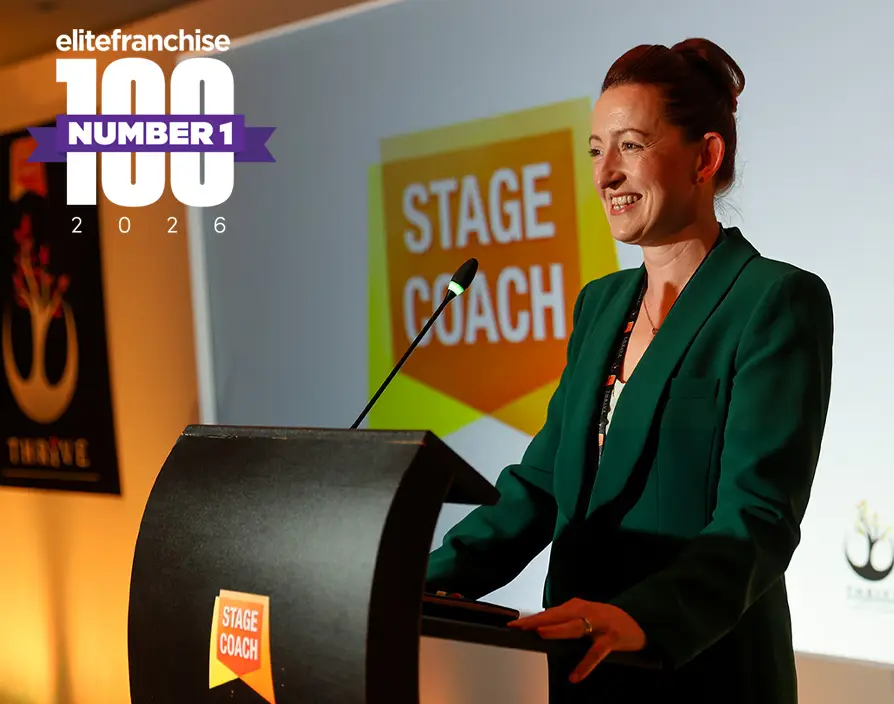
Having first been a Stagecoach student as a child herself, Lisa Stead has travelled a long way through the world of performing arts. Now the CEO of Trafalgar Education, the group that oversees Stagecoach Performing Arts and Drama Kids, she brings a rare blend of former student, theatre-school owner, franchising strategist and commercial leader into one role.
The memory of those early days, when “simply having fun doing what I loved with friends” has given her what she now recognises as a deeper grounding in life skills.
“Those years taught me not only technical skills in drama, singing, and dance, but also confidence, creativity, resilience, and a real sense of belonging,” she says.
That connection has seeped into the way she runs the network today.
“It shapes the way I lead today, reminding me of the importance of creating a nurturing, inspiring, and energising environment. I take a people-focused approach, guiding and supporting our franchisees with empathy and understanding.”
It’s a useful compass in a job that requires high standards across hundreds of schools while still nurturing the freedom that performing arts relies on.
“My early experience drives me to uphold the high standards and passion for performance that first inspired me at Stagecoach,” she says.
“My ultimate goal is to continue to support Principals to provide the same supportive and inspiring environment I benefited from, while equipping Principals across the network to empower students to discover their potential, foster creativity, and develop a lifelong love of the arts.”
Creative roots meet commercial reality
Her CV straddles two worlds that don’t often appear in the same paragraph. One side is pure creative graft: “Running my own children’s theatre school for eight years taught me what it takes to nurture young people, create a fun and inspiring environment, and deliver a high-quality experience for students.”
The other is a steady climb through franchising roles, from operations to managing director positions, all while completing an MBA.
“I’ve found that these two worlds complement each other in a really powerful way when supporting a creative education network,” she explains. “The move into franchising… showed me how to scale businesses, support franchisees, and maintain consistent standards across multiple sites.”
She sees her role now as a kind of bridge – the point where the needs of students and teachers must meet the needs of franchisees without either side compromising.
“Now, I bring these two perspectives together: understanding the needs of students and teachers alongside the demands and needs of our franchisees; ensuring we empower our Principals to run successful schools.”
Lessons carried forward
Those eight years of running her own school remain her grounding force and inform her leadership style.
“Running my own children’s theatre company for eight years taught me lessons that still shape my leadership today.”
They weren’t all about creativity, either. She remembers the reality that went into running the business off-stage.
“Administration could be demanding at times, and I learned how important it is to have clear, simple systems that protect the creative energy at the heart of what we do.”
But the biggest theme was listening. “Above all, I learned the power of listening, truly understanding the needs of students, parents, and staff. Those lessons guide the way I lead our network today.”
Franchising foundations
Her time across other networks – including brands such as Platinum Property Partners and Shuttercraft – provided a perspective she carries into Trafalgar Education’s two performing-arts systems.
“My experience in franchising taught me that the strongest networks are built on people first: understanding franchisees, supporting them well, and giving them what they need to succeed.
“It also showed me the value of having clear, reliable systems and straightforward standards while still giving franchisees space to bring their own strengths, ideas and local insight.”
And she still applies that formula to Stagecoach as it expands its network and adds to its offering.
“Those lessons guide the way I lead at Stagecoach today: creating a culture of support and accountability, empowering Principals to run successful schools, and ensuring every student enjoys a consistent, high-quality, and inspiring Stagecoach experience.”
Turning confidence and creativity into a strategy
For Stead, the cultural experience she felt as a child remains the strategic engine of the business.
“Having experienced Stagecoach as a student, I know first-hand how powerful confidence and creativity can be.” That translates directly into how she leads.
“My focus is on consistency, high-quality support, and creating an environment where both Principals and students can thrive.”
Creativity needs structure — and vice versa
One of the recurring questions around arts-based franchising is how to maintain creative freedom within a tight operating framework.
For Stead, the answer is not to see them as competing forces.
“For me, balancing creativity with operational efficiency starts with recognising that they’re not opposites, they actually support each other.”
A dependable infrastructure is what gives Principals room to breathe.
“A strong operational framework creates the stability and clarity that allows creativity to flourish.”
That balance is delivered not by systems alone but by people.
“We are able to achieve that balance due the support of an amazing head office team who are as passionate about the creative side as they are about getting the operational detail right.”
Group innovation
Stagecoach and Drama Kids operate as distinct brands within the Trafalgar group, with their own style and rhythms, but Stead sees real value in selective crossover.
“There are opportunities for shared learning between Stagecoach and Drama Kids where it genuinely adds value, while keeping each brand’s identity and direction clear.”
That said, she is careful about preserving what makes each one tick, but believes collaborative thinking can strengthen both.
“The cumulative years of experience across the group are impressive and bringing that expertise together has helped us strengthen both brands.”
Some areas naturally lend themselves to shared development.
“There’s also room for collaborative innovation in areas like training methodologies, operational best practice, and system development.”
Supporting tomorrow’s franchisees
Looking ahead, she sees franchisees needing deeper support around both creative delivery and day-to-day management.
“Franchisees benefit most from support that helps them deliver high-quality, inspiring experiences for students while confidently managing the day-to-day running of their schools.
“They also value ongoing training for themselves and their teaching teams, so they can stay up to date with new approaches, trends and practical tools.”
And yes, there is a gentle nod toward the role of new tools.
“We’re continuing to simplify admin wherever possible, using clearer processes and optional time-saving tools (including AI) to help reduce workload and free up more time for the creative and student-focused parts of the role.”
‘Leading the stage’
“To me, ‘leading the stage’ is about inspiring and empowering others to shine, our Principals, their teams, and the students themselves.”
The phrase itself carries a double meaning for Stead — about her own development, and the direction of the network she oversees.
Her ambition is to build an environment where excellence and innovation sit side by side.
“For Stagecoach, it’s about continuing to support schools to deliver excellence and support thoughtful innovation.”
And, ultimately, it’s about empowerment. “It’s creating a culture where both franchisees and students feel empowered to reach their full potential.”