Support is one of franchising’s most familiar promises, and one of the easiest to overstate.
Most franchise brands can list what the network receives: initial training, marketing guidance, business systems, brand resources, field support, meetings, templates, digital tools, and ongoing help from Head Office. Those things matter. A franchisee is not buying independence alone; they are buying into a model, a brand and a system of support that should help them build a stronger local business than they could build entirely on their own.
But the length of the support list is not the real test. The better question is what happens when that support reaches the franchisee’s working week. Does it make the business easier to run, or does it become another set of tasks to interpret, manage and fit around everything else?
That question is becoming more important as franchising grows in scale and complexity. The latest BFA figures put UK franchising at 1,009 systems and 50,421 units, contributing £19.1bn to the economy. This is a mature sector with serious commercial weight. At the same time, the reality of running a local business is becoming heavier. Government research found that businesses reported spending an average of 8.0 days a month dealing with regulation in 2024, up from 6.6 days in 2022. Add staffing, rising costs, customer expectations, local marketing and the normal unpredictability of running a business, and it becomes clear that franchisees do not have endless room for more.
This is where franchisors can create pressure without meaning to. A new reporting process may give Head Office better visibility, while asking the franchisee to duplicate information already held somewhere else. A new digital tool may tidy up the central view, but still mean another login, another training session and another habit to build locally. A national campaign may be well branded, but if the local operator has to spend too much time explaining it to parents, customers, or staff, some of the value is lost before it reaches the market.
None of this means the franchisor should avoid systems, campaigns or reporting. Strong networks need all three. The point is that every central improvement lands somewhere, and too often it lands on the desk of the person closest to the customer.
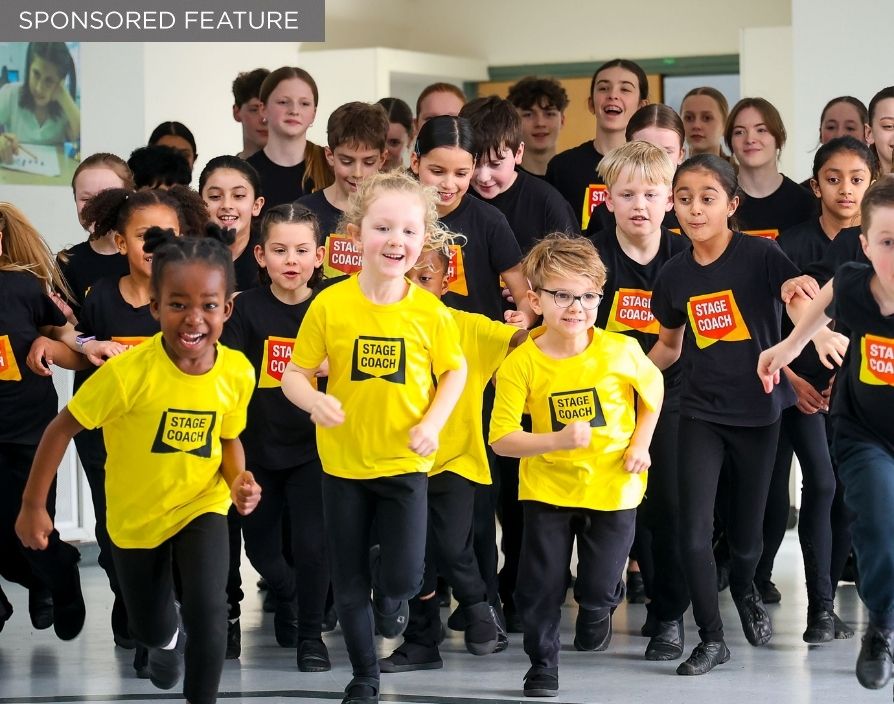
In a people-led franchise, that matters deeply. At Stagecoach Performing Arts, local Principals are not simply operating a fixed retail format. They are leading teachers, working with families, managing venues, protecting standards, communicating with parents, and building trust in their communities. A Saturday morning class does not succeed because a document exists at Head Office. It succeeds because the local team has enough time, confidence, and judgement to deliver well in the room.
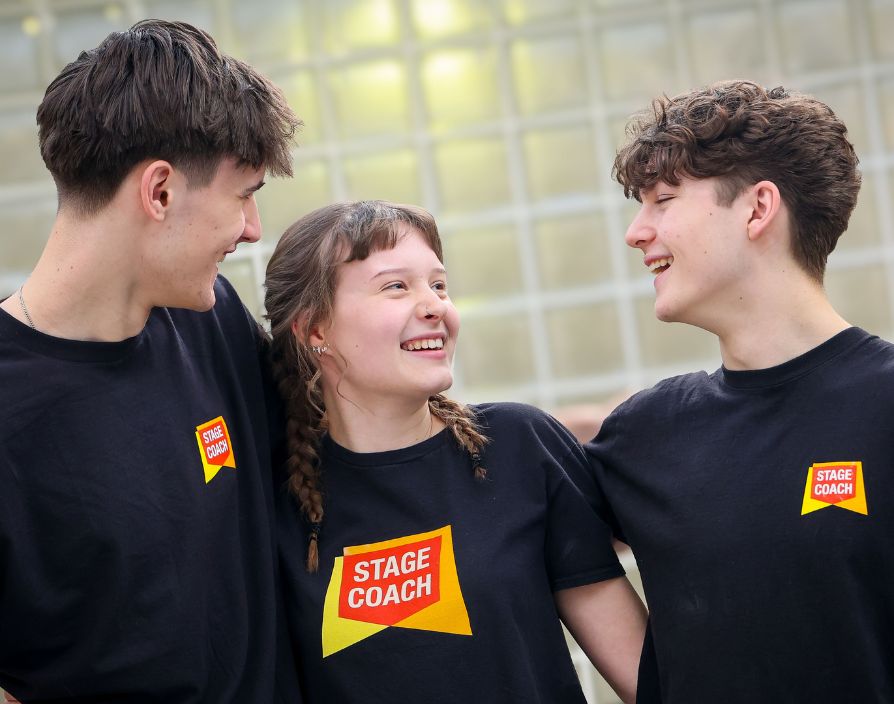
That does not mean less structure. People-led businesses need a strong structure precisely because the experience depends on human decisions. The difference is in how that structure is built. Stagecoach’s Educational Framework is a useful example of the balance. It is not positioned as a fixed curriculum. It gives teachers flexibility to adapt class content to the needs and interests of students, while still setting out the skills students should develop at every level. The framework gives shape without trying to script every moment.
Franchise support should work in the same way. It should give franchisees enough structure to protect quality and brand consistency, while leaving them enough room to lead their own teams and respond to their own communities. When support is designed well, it removes unnecessary thinking. It helps a franchisee know what matters, where to focus and how to make a good decision without starting from scratch each time.
That is a different measure of support from the one franchising often uses. It is not about how many resources sit in a portal; how many meetings are offered or how often Head Office communicates. It is about whether those resources save time in practice. It is about whether meetings help franchisees make better decisions or simply take another hour out of the week. It is about whether communication reduces uncertainty or creates more messages to sort through.
Before adding something new to the network, mature franchisors should be willing to ask what it takes away. Does it remove a repeated question? Does it reduce avoidable mistakes? Does it make a standard easier to apply on a busy day? Does it help a new franchisee gain confidence faster? Does it protect local quality without taking away local judgement?
Franchisees are business owners, and a strong network should expect them to lead. But leadership needs room. If the franchisor fills that room with avoidable admin, scattered systems and central priorities that are not properly joined up, the franchisee has less space for the work that cannot be centralised: local relationships, team culture, customer confidence and commercial judgement.
The next stage of franchise support should be judged less by volume and more by usefulness. The strongest franchisors will not be the ones with the longest list of support. They will be the ones that understand which parts of running a local business they can make simpler, lighter and easier to do well.
This article comes courtesy of Stagecoach Performing Arts, the performing arts education franchise with more than 35 years’ experience supporting franchisees across the UK and internationally.