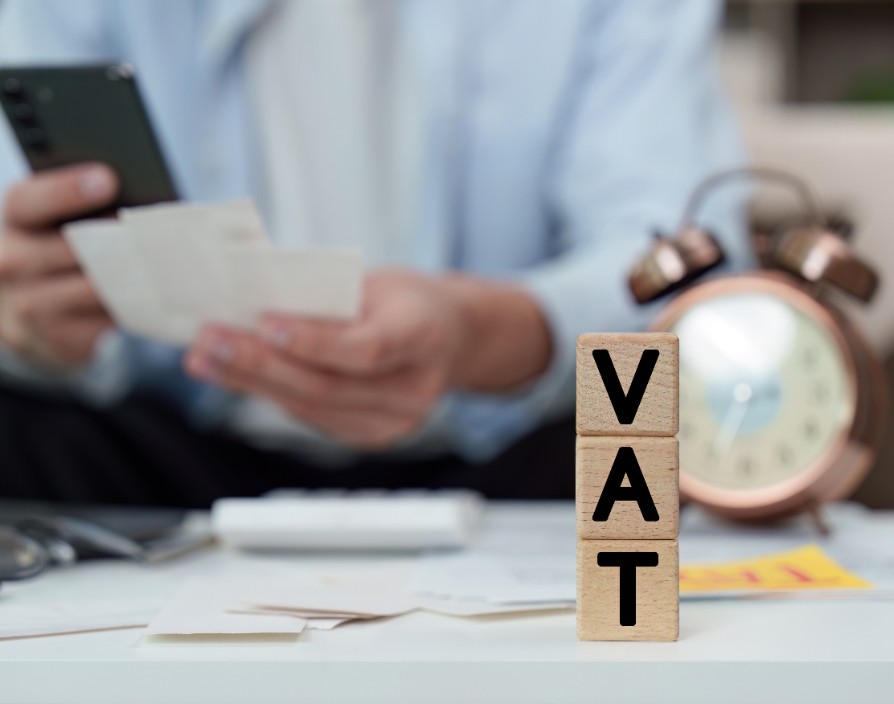
For many business owners and franchisees, a recent VAT payment may have highlighted just how much of an impact a large quarterly tax bill can have on cash flow.
Even when business is performing well, a significant VAT payment can create a sudden squeeze. Cash that was earmarked for growth, recruitment, marketing or day-to-day operations can quickly disappear, leaving businesses feeling temporarily restricted despite strong underlying performance.
If you have recently paid a substantial VAT bill, now is the ideal time to look ahead and start planning for the next quarter. Rather than facing the same pressure again in a few months’ time, many businesses are exploring VAT funding as a proactive way to smooth cash flow and create greater financial certainty heading into the New Year.
Why VAT bills create pressure
VAT payments rarely arrive at a convenient time. They often coincide with payroll commitments, supplier invoices, rising operating costs and ongoing investment plans.
The challenge is not usually the liability itself. Most businesses expect the bill. The pressure comes from having to release a large lump sum all at once.
When a significant amount leaves the business in a single payment, working capital can become stretched, forcing owners to make difficult decisions about spending, investment and growth plans.
Turning a one-off payment into manageable monthly costs
A VAT loan allows businesses to spread the cost of a VAT liability over affordable monthly repayments rather than paying the entire amount from cash reserves in one go.
For franchisees and growing businesses, this can help maintain stability throughout the quarter, protecting cash flow and ensuring that short-term tax obligations do not disrupt long-term plans.
It is not about avoiding tax obligations. It is about managing them in a way that supports healthier cash flow and better financial planning.
Looking ahead to the next quarter
If your latest VAT payment felt uncomfortable, now is the perfect opportunity to review your options before the next return becomes due.
Planning ahead removes the need for last-minute decisions and provides greater visibility over future cash flow. Instead of facing another significant outlay in a few months’ time, businesses can create a more predictable financial structure that supports investment, growth and operational stability.
For franchisees in particular, maintaining consistent cash flow can help avoid the stop-start effect that tax deadlines sometimes create, allowing businesses to remain focused on serving customers and growing their territory.
Who benefits most from VAT funding
VAT funding can be particularly valuable for:
- Franchisees operating multiple locations or territories
- Businesses experiencing seasonal fluctuations
- Fast-growing businesses investing ahead of revenue
- Companies with slow-paying customers
- Business owners who value predictable monthly outgoings
Plan now for a stronger new year
The businesses that manage VAT most effectively are often the ones that prepare early.
If a recent VAT payment has highlighted pressure points in your cash flow, now is the ideal time to consider how you might approach the next quarter differently. Taking action now can help you start the New Year with greater confidence, stronger cash flow and fewer financial surprises.
Key takeaways
- A VAT payment rarely creates a problem because the liability is unexpected – it creates pressure because paying a large sum in one go depletes working capital at a moment when other commitments such as payroll and supplier invoices still need to be met.
- A VAT loan spreads the cost of a quarterly liability into affordable monthly repayments, allowing a business to meet its tax obligation without disrupting the cash flow needed to operate and grow day to day.
- For franchisees operating multiple locations, or businesses experiencing seasonal fluctuations, VAT funding can remove the stop-start effect that quarterly tax deadlines create and support more consistent performance across the year.
- Planning for the next VAT return immediately after paying the current one – rather than waiting until the deadline approaches – gives business owners greater visibility over future cash flow and removes the need for last-minute decisions.
- The businesses that manage VAT most effectively are often the ones that prepare early, so reviewing options now can help a business start the new year with stronger cash flow and fewer financial surprises.