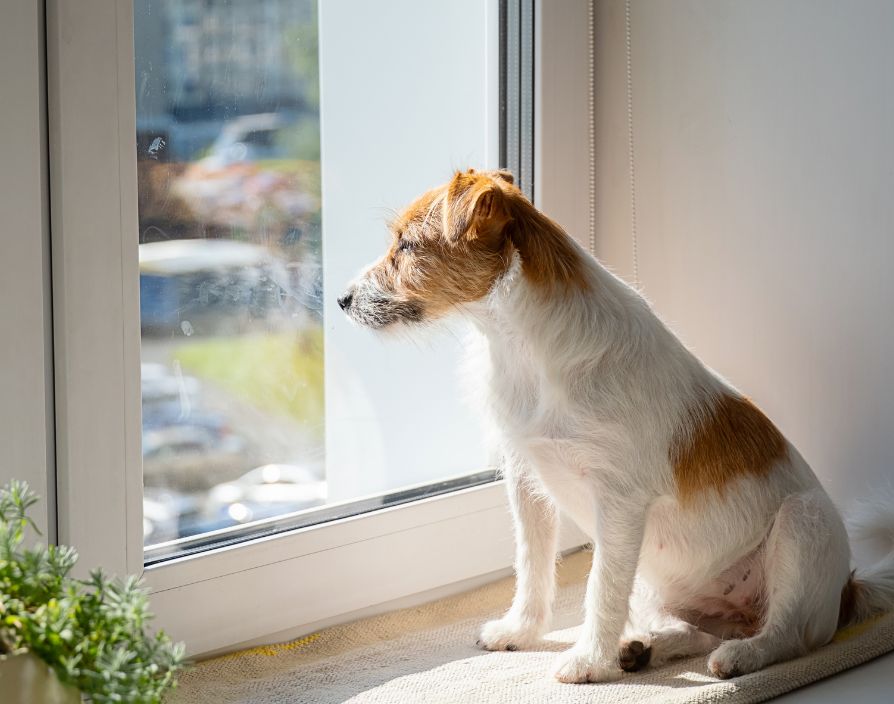
Six years ago, Britain’s relationship with its pets changed dramatically. With millions of people suddenly spending more time at home during pandemic lockdowns, households across the country decided it was the perfect opportunity to welcome a new pet.
At the time, questions naturally followed. What would happen when owners returned to offices, holidays and busy social lives? Would the surge in pet ownership prove temporary?
Six years later, the picture is much clearer. UK Pet Food 2026 research suggests 62% of UK households now own a pet, while the country is home to an estimated 15.5 million dogs, around three million more than in 2021.
The pets stayed, our routines did not
Think back to the daily routine of a dog owner during lockdown. The commute disappeared, somebody was usually at home and fitting in a lunchtime walk was not particularly difficult.
Fast-forward to today and things look very different. People are commuting, travelling and juggling family commitments again, while hybrid working means routines can change from one day to the next.
The dog, of course, does not know that Tuesday has suddenly become an office day. It still needs its walk.
That simple reality goes a long way towards explaining why professional pet care remains so relevant. Owners still want the very best for their animals, but they cannot always be there themselves. That might mean a regular dog walker, holiday care or simply somebody trusted to call when plans unexpectedly change.
Professional pet care is not about replacing the owner. It is about helping people fulfil the responsibilities of pet ownership alongside the realities of modern life.
Bigger than the lockdown boom
It would be easy to assume demand is still being driven predominantly by pets acquired during the pandemic. But recent research suggests 78% of Gen Z and 73% of Millennials in the UK own a pet.1 2
Younger generations are actively choosing to make animals part of their lives. And when somebody welcomes a dog or cat into their home, they are potentially making a commitment that will last well over a decade.
A lot can happen during that time. People change jobs, start families and find themselves with different demands on their time. Their pet remains part of the family, but the support they need can evolve considerably.
That is why I do not think we should view professional pet care as a short-term consequence of the pandemic. New pets continue to enter UK homes and every one brings years of responsibility with it.
Trust creates lasting relationships
Those needs are not limited to one service or stage of an animal’s life. A puppy might initially need daytime visits before moving on to regular walks, while owners may need additional support when they travel.
Nor is this solely about dogs. PDSA figures show 31% of UK pet cats now live indoors only, compared with 15% in 2011.3 When their owners are away, those cats still need care, attention and companionship.
At Petpals, we have seen how valuable continuity can be. Once you have earned an owner’s trust, they often want the reassurance of turning to somebody who already knows them and, crucially, knows their pet.
For a franchisee, that creates the potential to build lasting customer relationships around recurring needs rather than one-off transactions.
An opportunity grounded in everyday life
Nobody knows exactly how Britain will work and live six years from now. But prospective franchisees do not need to predict the next major lifestyle trend to understand the fundamentals behind pet care.
The pets are already here. Younger generations continue to embrace pet ownership and people will continue to have work, holidays and commitments that sometimes make trusted support necessary.
Six years after the pet boom, we are no longer responding to the unusual circumstances that kept millions of people at home. We are responding to the busy lives that came afterwards.
And while those lives keep changing, the responsibility to care for our pets does not.