In home care, much of the focus rightly sits on delivering consistent, high-quality support. It is about making sure people are safe, comfortable and able to live independently in their own homes. But over time, I have come to believe that the real difference lies in the moments outside routine. It is the little interactions, shared experiences and opportunities for genuine connection that stay and make a difference.
They are a practical way to strengthen relationships, reduce loneliness, and improve continuity for the people you support. They also help build a stronger, more connected team.
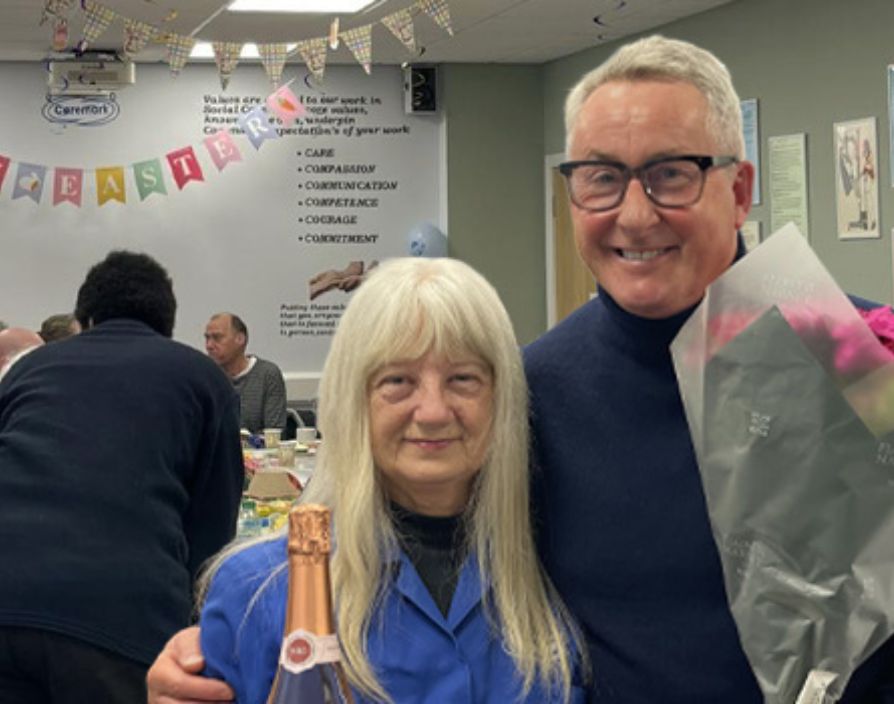
Our recent Easter party brought that into focus. What might look like a simple seasonal get-together became something much more meaningful. It created a space where customers, carers and families could come together, free from the structure of scheduled visits and tasks. In that relaxed environment, I saw relationships deepen in ways that day-to-day care does not always allow.
I have found that these gatherings are among the most effective ways to truly get to know the people we care for. In a typical visit, there are things that need doing, and those tasks understandably take priority. Carers still build rapport, but time can be tight. At an event like this, the pressure lifts. People talk more freely, laugh more easily, and you see personalities and routines in a way you do not always get during a scheduled call. That matters because the better you know someone, the better you can support them. It is also one of the simplest ways to protect care quality and continuity.
Of course, putting on an event is not without cost. There is the buffet to organise, drinks to provide and small touches, such as the raffles and decorations that bring it all together. It takes careful team planning and investment, and as a franchise owner, I am always mindful of the balance. But standing in the room on the day, it is clear to me that what we gain far outweighs what we spend. The smiles, laughter and new connections are difficult to measure, but they are impossible to ignore.
During this Easter celebration, I was struck by how quickly people opened up. Customers who are usually quiet during visits became more relaxed, sharing stories about their lives that might never surface in a structured care setting. One customer stood out: she was initially hesitant and unsure whether the party was for her. But once she arrived, everything changed. She became social, joined the conversations and by the end was already looking forward to our next event.
These moments stay with me because they reveal what is possible when people are given the right environment. Carers, too, get to know customers on a different level, learning about their interests and personalities. For me, this is the foundation of truly person-centred care.
There is a wider social benefit we should not underestimate. Isolation remains one of the biggest challenges in home care, and even with regular visits, many people spend long periods alone. Bringing people together helps address loneliness in a meaningful way. At the Easter party, I watched friendships begin to form between customers who might otherwise never have met, and that sense of community does not simply vanish when the event ends. In my experience, it carries forward, shaping how people feel about their care and their place in the world.
What our Easter party demonstrated is that small moments can have a disproportionate impact. A simple conversation or shared laugh can change how people feel. As pressures on the sector grow, connection must not be lost in the pursuit of efficiency; if anything, it is more important than ever to connect with others.
This is why I see small celebrations as a smart move for care franchise owners. They strengthen trust, reduce loneliness, and support continuity. They also reinforce team culture and pride, which matters in a sector where retention is hard won.
My takeaway is simple and practical. Do not treat these moments as optional. Build one or two small gatherings into your year, plan them properly, make them accessible, and use them to strengthen relationships. When you invest in connection, you invest in better care and in a stronger, more stable business.