Conversations about children’s confidence, communication and emotional wellbeing are becoming increasingly prominent. As a result, families are exploring a growing number of drama and performance-based activities designed to nurture these skills. On the surface, many of these programmes appear similar, often using the same language to describe their benefits.
What’s discussed less frequently is the philosophy behind them. How a drama programme is designed shapes not only a child’s experience, but also how clearly its aims are communicated and how effectively it can be delivered and sustained over time.
Two different paths to building confidence
In many performing arts settings, confidence is closely tied to achievement. Children work towards a show, exam or presentation, and reaching that goal brings a tangible sense of success. For some children, this kind of structure is highly motivating and rewarding.
Developmental drama works differently. Rather than focusing on a final performance, confidence is built gradually through ongoing involvement. Children regularly practise speaking, listening and sharing ideas in an environment designed to feel supportive rather than pressured. Over time, those small, consistent opportunities to take part begin to have a powerful cumulative effect.
This move away from outcomes and towards process subtly changes the experience of drama. It makes space for children who may not be drawn to performing, but who still gain significant benefits from creative, expressive activity.
Why this approach resonates now
There is increasing awareness of the role communication plays in children’s overall development – from early language skills to social confidence and emotional resilience. Government initiatives are placing greater emphasis on early, effective support in these areas, reflecting a wider commitment to helping children build strong foundations from a young age.
Developmental drama naturally aligns with these priorities. It offers frequent, playful opportunities for children to organise their thoughts, express themselves and engage with others in ways that feel encouraging rather than performance-led. This alignment helps explain why more families, schools and organisations are seeking out programmes that put development first.
Designed for development, structured for longevity
At Drama Kids, development is not an add-on – it’s central to everything. Each session follows a clear, age-appropriate framework that supports communication and self-expression in an inclusive, accessible way.
The same structure underpins the experience for every Drama Kids franchisee. The programme is built around a progressive curriculum developed over many years, with skills introduced, revisited and deepened over time rather than repeated without progression. For children, this creates a reassuring sense of continuity as they grow. For those delivering the sessions, it provides clarity and confidence, allowing them to focus on the children rather than the mechanics of planning.
Using drama as a means, not an end
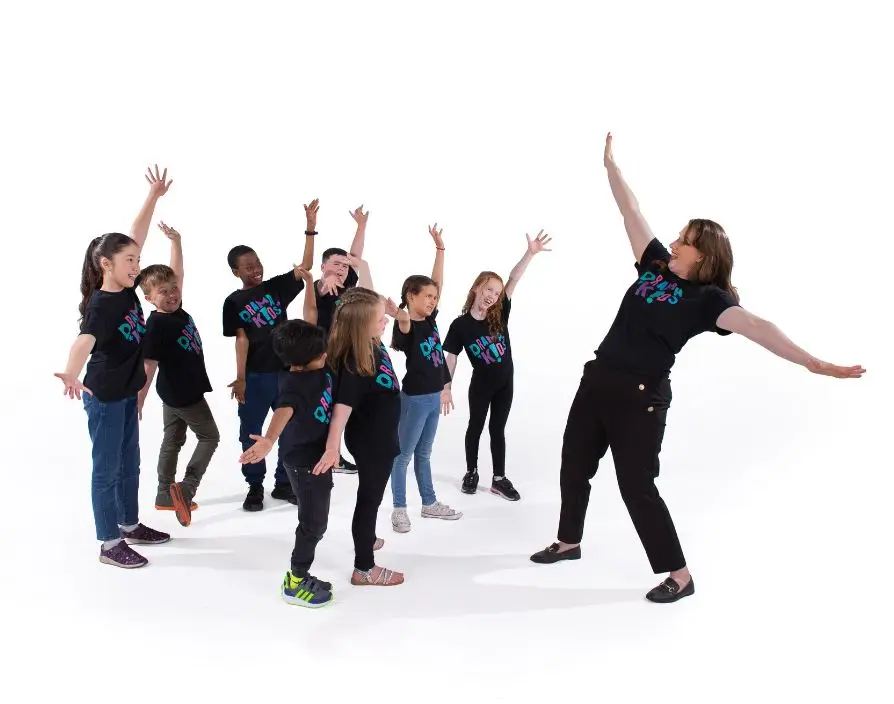
Improvisation, storytelling and roleplay are central to developmental drama. These activities encourage children to experiment with language, ideas and teamwork in ways that feel intuitive and enjoyable.
While performance may still play a role, it isn’t used as the main marker of success. By removing the spotlight from outcomes, sessions remain flexible and welcoming, working equally well in schools, community venues or other shared spaces.
Making room for every child
All children are encouraged to participate fully, without auditions or competitive elements. This simple difference creates a noticeably different atmosphere. Children are free to experiment, make mistakes and build confidence without the pressure of needing to “get it right”.
Because inclusion is embedded in the structure of the sessions, children with a wide range of personalities and needs can take part comfortably – including those who are shy, anxious or require additional support. The experience remains consistent even as groups, locations and teachers change.
Skills that stay with children
Through regular involvement, children develop communication, collaboration, empathy and creativity in ways that connect naturally to everyday life. These are skills they can carry into school, friendships and unfamiliar situations as they grow.
As the benefits of each session extend beyond the classroom, parents are more likely to see lasting value rather than a short-term activity. Children, too, build familiarity and confidence that encourages ongoing participation. Over time, developmental drama becomes part of a child’s routine, supporting steady progress rather than a one-off experience.
Consistency that enables growth
A clear methodology works best when it is shared and well supported. Drama Kids provides specialist training for franchisees and their teachers, ensuring a consistent developmental approach from the very beginning.
This shared foundation means children experience the same supportive framework wherever they attend classes, while teachers have the guidance and assurance they need to deliver sessions effectively. Within that structure, creativity is actively encouraged, allowing the programme to evolve without losing its core strengths.
A considered alternative in children’s drama
Developmental drama offers a different perspective on what children’s drama can be. It values gradual progress over pressure, shared experience over comparison, and growth that unfolds over time rather than being judged in isolated moments.
In a sector where outcomes are often easy to see but long-term impact can be harder to measure, this approach offers something quietly compelling. For franchisees, it provides a model that is creative and engaging, yet also consistent, purposeful and sustainable – supporting children as they grow, and supporting those delivering the programme to do so with confidence and care.
To find out more about franchise opportunities, visit Drama Kids.