In the fitness sector, though, participation hasn’t been the core issue for some time – women are already actively involved.
Across global fitness franchise Body Fit Training (BFT), for instance, around 65% of members are female. The demand is evident; the dedication is clear, and the desire for structured, supporting training environments continues to grow. The shift now isn’t about whether women are engaging in fitness – it’s about whether they are influencing and leading it.
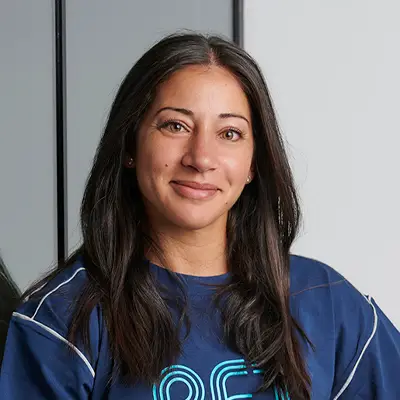
Here, BFT’s head of programming and Melbourne-based franchisee, Sarah Nehme, outlines why franchising is creating a pathway for women to transition from participant to leader, from member to owner and from consumer to community influencer.
From participation to ownership
For many, fitness begins as a personal journey – a way to build strength, confidence or overall wellbeing. However, traditional pathways into leadership have often required a daunting leap into entrepreneurship: building a brand from the ground up, designing programming, managing operations and learning the commercial side of the business all at once.
Franchising offers a different route. Rather than starting from scratch, franchisees enter an established system with defined branding, proven processes and ongoing operational support. This significantly lowers the barrier that might otherwise discourage capable and passionate individuals from pursuing ownership.
The result is a more approachable entry into leadership – one that values industry experience and community insight without requiring someone to start entirely from zero.
Building stronger communities
Fitness franchises are rarely just businesses. At their best, they become central to local communities, shaping how people experience movement, connection and support.
This is where ownership becomes especially impactful. Those who have personally experienced inclusive and supportive training environments often carry those values into leadership. The emphasis shifts from simply delivering workouts to cultivating spaces that feel welcoming, collaborative and motivating.
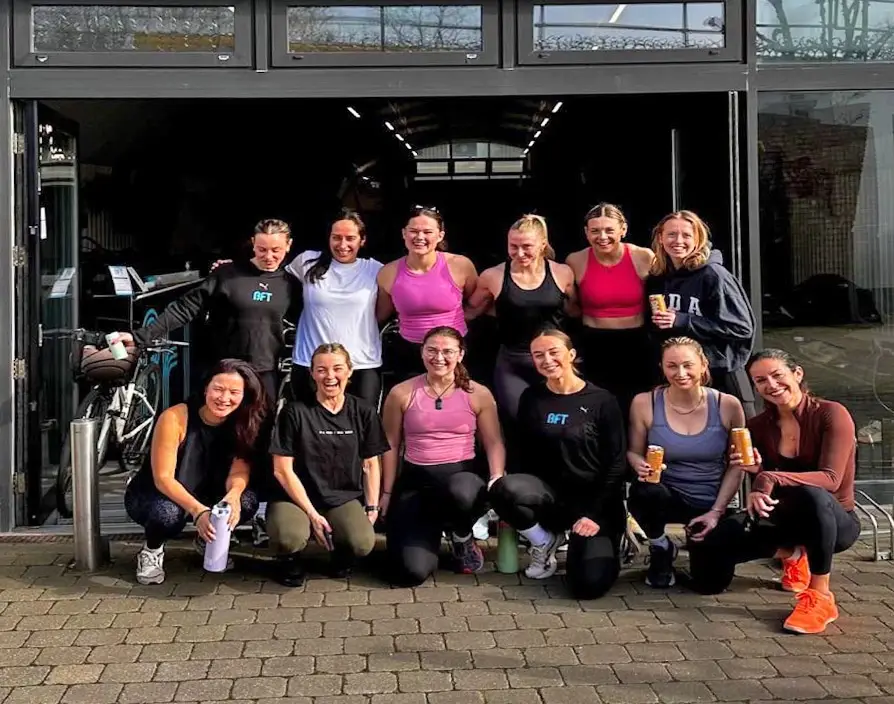
An example of this can be seen in BFT’s CrewFit session marking International Women’s Day at its Battersea studio. Designed as a team-based workout and open to female members, coaches and franchisees, the session focuses on shared progress and community connection.
At BFT, initiatives like this reflect a broader philosophy rather than one-off events. The franchise model is built to encourage not just participation, but leadership – enabling women to shape the culture and communities around fitness.
The Battersea studio itself is female-owned, illustrating how franchisees can influence inclusive environments from the top down. Ownership plays a key role in defining the day-to-day experience: how success is measured, how new members are welcomed and how inclusive a space truly feels.
A supported path intro entrepreneurship
One of the biggest perceived challenges of starting a business is isolation. Going it alone often means dealing with operational complexity, financial uncertainty and cultural development without a clear roadmap.
Franchise models help address this. With structured, shared expertise and ongoing mentorship, franchisees operate within a system designed to empower rather than overwhelm. This ‘in business for yourself, but not by yourself’ approach allows owners to focus on impact – building relationships and strengthening their communities – while relying on an established foundation.
For many women considering entrepreneurship, this balance of independence and support is crucial. It provides the confidence to take ownership without taking on unnecessary risk.
Redefining leadership in fitness
As more women step into ownership roles, the effect extend far beyond individual studios. Leadership shapes culture – influencing whether environments feel competitive or collaborative, intimidating or encouraging.
When franchise ownership reflects the diversity of its members, the entire network becomes more representative. Programming evolves; communication becomes more inclusive and long-term engagement becomes easier to sustain.
While International Women’s Day is often a moment to celebrate progress, it also highlights a broader shift within fitness – moving beyond participation towards genuine leadership.
Franchising isn’t the only pathway driving this change, but it is proving to be a meaningful one. By reducing barriers, offering structural support and enable community-led ownership, it is helping ensure that the future of fitness is not just attended by women but shaped and led by them.