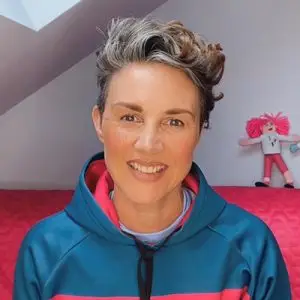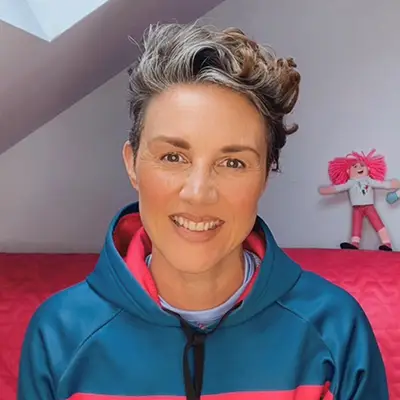
I was chatting to quite a few people recently about how my training was going, how far I’d got, and how I stayed motivated. I explained that it was all down to my training plan.
I printed out the official London Marathon beginner’s training plan, and I tick off each run I complete, adding an even bigger tick when I finish the week. If I miss a run, I’m kind to myself if things have been hectic or I’m not feeling great, but I’m also very conscious of the session I’ve missed. I’ll create a new plan by repeating the previous week or doubling up the following one. It keeps me on track and definitely keeps me motivated. Without this plan, I know I’d find excuses not to run — the weather, a niggle, procrastination, you name it. The plan helps me stay focused, and I actually enjoy looking forward to what’s coming up (well, maybe not those three-hour runs!) and, even more so, looking back at how far I’ve come.
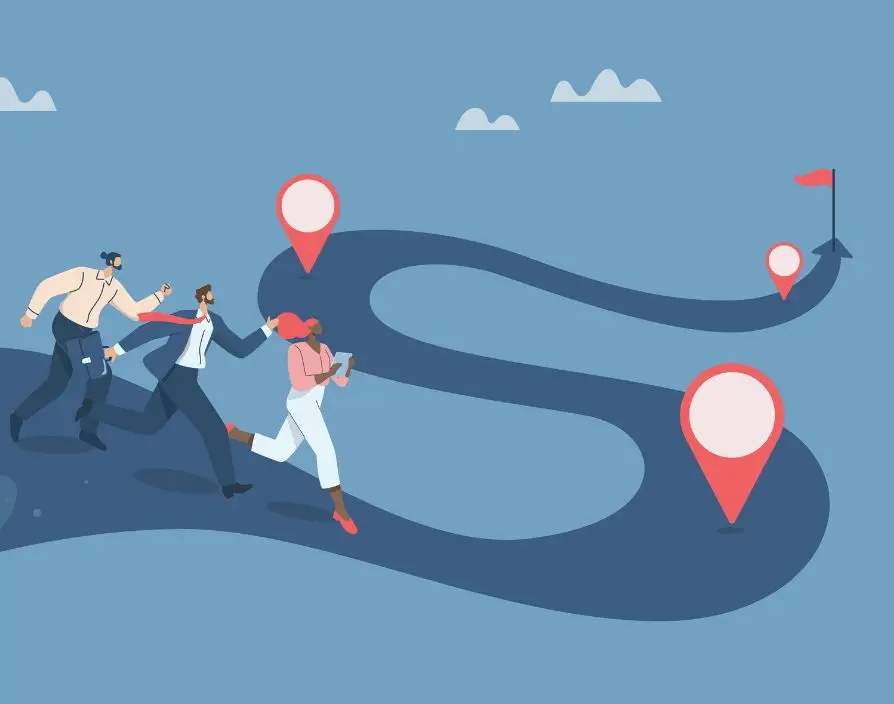
So, why do I keep going on about my marathon training? Well, first, because at 50 years old I’m very proud to be doing it, and second, because it’s helped me treat my business in much the same way. I’ve never really been a goal-setter; I don’t like making decisions based purely on reaching a numerical target, such as recruiting a certain number of franchisees just to hit a milestone. However, having a plan that aligns with our vision and mission — and mapping out new developments in writing with timelines and clear steps, like our new four-year lesson plans covering even more dance styles — has made a big difference. It keeps me on track while still allowing flexibility. I can adjust the plan and tweak timings when needed, just like with my marathon training.
Right now, I’m dealing with a hip injury, so I’ve had to rework my training plan and book in with the osteopath for support. That’s very similar to business — being able to adapt to setbacks (your “injuries”) or changes in trends, such as the rise in popularity of K-Pop dance styles. Because I adapt, I don’t see it as failure; it’s simply a reroute. Getting help is key too. I’ve communicated with the network about new dance styles, listened to their suggestions on scheduling and planning, and we’ve collaborated in developing the new baby classes. The team can take ownership of what they’ve helped create — some even designed entire dance exercises themselves.
Collaboration and communication are vital. I’ve worked hard on both, as I used to feel like I had to do everything myself and rarely reached out for support. But just like my osteopath, the people who have the skills I don’t are essential for business planning and operations.
And if you’d like to sponsor me in achieving my marathon goal, you can do so here. Or maybe you’ll be in London for the marathon and fancy joining me at one of the 26-mile markers for a TikTok? I know how much you all love getting involved in those!