Recently I had the privilege of chairing a meeting with a vibrant group of ambitious SME owners. A common gripe among entrepreneurs is that, having built significant momentum in their businesses, they find themselves caught in a relentless cycle of hard work. This overcommitment to the business frequently compromises lifestyles and relationships, leading to feelings of being overwhelmed and, in some cases, to burnout. As I looked around the room, it was evident that many of the attendees were grappling with these challenges, struggling to maintain their motivation and sense of purpose.
Through years working with SME owners I have come to recognise that there is a critical difference between businesses that tend to plateau and those that consistently break through the £1 million revenue mark.
Surprisingly, fewer than 5% of businesses ever reach this pivotal milestone and it’s not due to an unfavourable market environment. Instead, it often stems from the owner’s inability to step out of “doer mode.” Entrepreneurs frequently find themselves juggling multiple roles—acting as the head of marketing, the senior salesperson, sole decision-maker, chief firefighter and bookkeeper—all while enduring long hours that lead only to increased stress and frustration.
The business’s growth becomes inextricably tied to the owner’s efforts, leading to a cycle where more work results in diminishing returns.
What truly separates a £200,000 business from a £1 million venture is not luck, but leadership. Great business owners develop the ability to rise above the chaos of daily operations and create a structure capable of thriving without their constant involvement. This transition is vital for unlocking potential and driving sustainable growth.
One of the fundamental strategies great leaders employ is simplification. They understand the importance of eliminating distractions and focusing on the initiatives that genuinely drive results. Instead of succumbing to the allure of every shiny new marketing idea, they prioritise clarity, making sure their goals and efforts align with what truly matters. This streamlined focus allows them to effectively harness their resources and energy, significantly enhancing their overall productivity.
In addition to simplification, successful business leaders recognise the power of systemisation. They invest time in documenting, automating, and delegating processes, transforming disorganised firefighting into a consistent flow of operations. Establishing repeatable procedures can liberate business owners from the day-to-day grind, enabling them to concentrate on high-impact activities that propel the business forward. This not only improves overall efficiency but also enhances the quality of service provided to customers.
Empowerment is another key principle that defines exceptional leaders. They build teams that take ownership of outcomes rather than merely completing assigned tasks. When team members are trusted to lead and make decisions, the business can scale more rapidly and effectively. This sense of ownership fosters a culture of accountability, reducing the burden on the owner and allowing them to reclaim valuable personal time—time that can be spent pursuing passions outside of work.
At the event, a husband-and-wife team I have known for a number of years were reflecting on just this. How they had gone from having to work 24/7 to keep all the plates spinning to realising that the operation could be systemised and that they had a team who could take, and wanted to take, more responsibility. Now, in their words, they “swan in, spend a lovely couple of hours talking to people and checking they are okay and then disappear off with the dog in the motor home”. They also have their exit mapped out, with a management buyout planned within the next two years; and all because, with a bit of encouragement, they made the mental shift from working “in” the business to working “on” it.
Great business owners understand the importance of intentional leadership. They shift their focus from reactive problem-solving to proactive growth strategy. Instead of asking, “What do I need to fix today?” they ask, “What do we need to achieve this quarter?” This mindset cultivates a long-term vision and aligns the entire organisation toward shared goals, facilitating consistent growth.
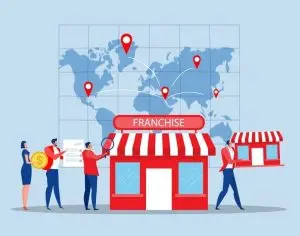
The transformation from operator to leader is not just a shift in roles; it signifies a fundamental change in how an individual engages with their business. Owners who are happy to continue fixing drains, teaching swimming lessons, making pizza (other franchise activities are available!) will automatically limit the size to which their business can grow because it becomes a product of how hard they are prepared to work, and for how long.
When an owner’s vision for the future of the business is clear, their understanding of financial metrics is strong and they have robust plans for scalability in place, they are not merely growing their business—they are enhancing its core value.
For those serious about achieving a £1 million turnover—or any financial target that surpasses their current achievements—the time to act is now. As we race towards the end of 2025, what better time to re-evaluate and, where necessary, reset your business thinking.
It’s crucial to shift from the mindset of doing everything oneself to embracing the role of a leader. Establishing the systems, cultivating and developing the team and thinking strategically, as opposed to tactically, are fundamental components of making that leap possible. These adjustments will not only propel the business forward but they will also restore balance to the life of the business owner, enabling them to enjoy their personal and professional pursuits.
In conclusion, the journey from good to great is not simply about amplifying revenue; it’s about a profound transformation in mindset and strategy. By simplifying focus, systematising operations, empowering teams and leading with intent, entrepreneurs can break free from the constraints of day-to-day tasks and unlock the true potential of their businesses.
Embracing this transformation is essential for fostering not just a bigger business, but a better one—one that allows owners to engage in the work they love while achieving the success they desire.