The emergence of game changing technology and exactly how to use it to improve operations has become one of the defining themes in franchising and business generally.
The interesting question is not whether AI is coming – it’s already here – but what happens when a franchise system starts redesigning itself around data, automation and the daily experience of franchisees.
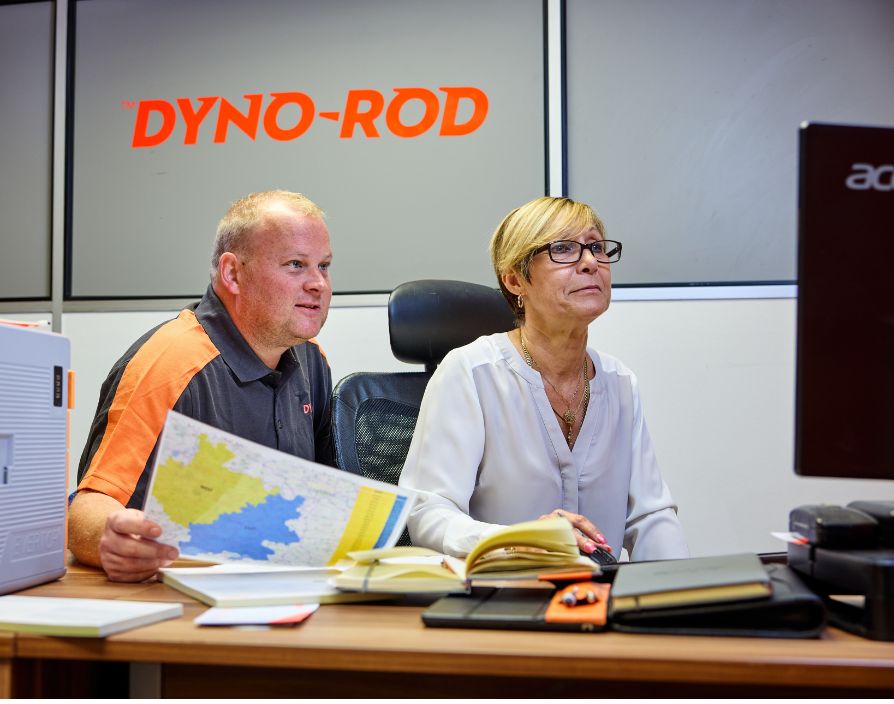
Dyno-Rod’s franchise network is built around Microsoft Dynamics 365 as the CRM and dispatch platform and Microsoft Fabric as the data platform. The Dyno-Rod Systems & Data function focuses on embedding processes, simplifying journeys and introducing new technologies across the network.
It gives franchisees:
- Job booking and dispatch capability
- Customer management
- Operational reporting
- Standardised processes across the network
- Data visibility for business control and performance management
- The ability to leverage latest technology into processes
Claire Shenton, Head of Franchise Systems and Data at Dyno-Rod, explains that the goal is not simply to add more layers of technology, but use it to remove friction from the business and give franchisees better information, better tools and more time to focus on customers.
“Taken together, these move Dyno from a business supported by technology to a franchise system where technology becomes a competitive differentiator for both franchisees and customers.”
Using AI to remove admin
The starting point for any adoption of new tech should be to reduce administrative burden across the network.
“Over the last 18 months we have enabled AI technology over the following areas: automated job booking, automated invoicing, engineer support and knowledge tools and Terms & Conditions bots for engineers.”
Those changes are already affecting the day-to-day operation of the network. But the bigger shift is in how data is being used.
“The Dyno-Rod team are looking at how we can make Data a strategic asset for our network, ensuring we have information on where we need to focus next, rather than using data as a retrospective tool solely.
“We are developing algorithms to predict outcomes and deliver processes that would previously be considered time onerous or expensive to complete, allowing us to deliver good value cost to serve reductions for our franchise network.”
Making data a franchise tool
One of the recurring themes in Shenton’s approach is that data should be useful to individual franchisees, not just head office.
“Our network benefits from a self serve function allowing them to keep a close eye on their KPI performance, engineer performance levels and their forecasting, and indeed make informed decisions for their own businesses.”
Access to real-time information changes the relationship between franchisees and performance management.
“Our franchise network now has access to up to the hour data, in a simple to use mechanism and have the support of a team of analysts who can support with more bespoke requests.”
The point is not simply collecting data for the sake of it, but using it to make better decisions.
“We ensure each business scorecard has an accountable leader that sits behind it. This ensures that the data being captured is correctly being applied in BAU.”
AI that helps engineers
Perhaps the most interesting point of usage is where AI starts supporting frontline engineers directly. Shenton says the intention is to use it to give engineers more time with customers.
“Our next area of focus in this space is definitely around enhancing the engineer experience, to use Agents to perform tasks on the engineer’s devices that allows them to safely prioritise the customer experience. This will be a big leap forward for us, as we embrace Agentic AI and all it can offer.
“My goal over the next 5-10 years is to take our people out of the systems and place them with our customers.”
The challenge is doing that while maintaining the same standard of service. In which case gradual adoption of the technology is key.
“How do we enable that without causing any customer detriment, regulatory issues or health and safety issues? We do it bit by bit, creating a suite of agents that will work together to enable our workforce to be there for our customers.”
Technology that starts with the customer
Shenton believes that ultimately, customer experience will be the measure of whether technology is actually working.
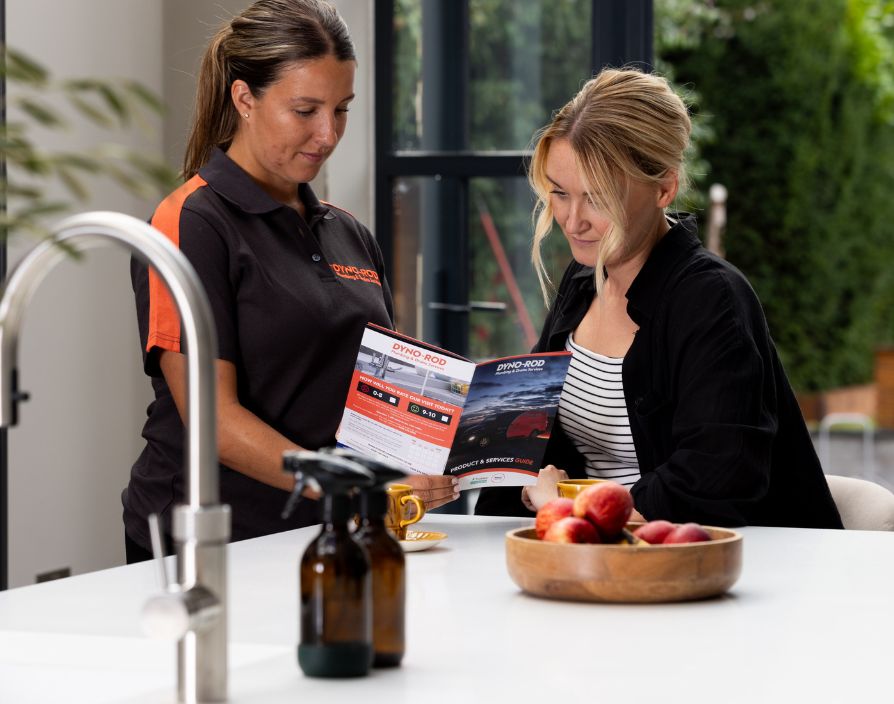
“We are working hard to remove the effort from the customer experience. A customer wants peace of mind to know we are on our way as quickly as possible to help them out. That’s what we want technology to offer our customers.
“We have developed AI tools to ensure the work request is with the right franchise within seconds of the customer making the request – regardless of what channel the customer uses to contact us.
“We are heavily focused on improving our customer contact strategy, whether a customer wants to interact with us by phone, email, via our website or via messaging apps, we need to make sure we can give them what we need, in the communication style of their choice.”
Keeping franchisees involved
One of the classic business challenges is that new systems designed to improve efficiency can increase complexity rather than reduce it. But Shenton says the business has built a collaborative approach to the adoption of new tech.
“In Dyno-Rod we have a specific Change Forum where the Systems and Data team spend dedicated time with members of our franchise network shaping our change and development roadmap.
“These franchisees work with us to ensure the tools we do develop meet their needs and deliver results for them.”
She is also realistic about the level of complexity involved.
“We acknowledge that sometimes our processes can be long winded or cumbersome for users, a by-product of working in a regulated environment or with complex customer needs – what we are striving to do now for our network is to work hand in hand with them to peel away layers of complexity, whilst still meeting our obligations.”
Protecting local independence
For many franchise systems, centralised technology solutions can create tension with local ownership. Shenton is fully aware that the local aspect remains fundamental.
“I think the true personality of Dyno-Rod as a brand is that we are a local national company. Our franchises are deep in the heart of their communities, some with over 60 years tenure. We must not only respect that, but celebrate it and use it to our advantage to ensure each local area gets the best version of Dyno-Rod for them.
“So, whereas we might use state of the art data technology, we empower our network to grow, maintain and enrich their local customer bases, deliver local marketing and drive recruitment in their regions.”
“Therefore, it is not an afterthought for us that franchisees must be empowered to keep their local knowledge vibrant, it really is our USP.”
The next stage of AI
Ultimately systems change is less about automation and more about redesigning work itself, and it is here that predictive analytics and AI agents will become increasingly important.
“From my experience using data to predict outcomes and make decisions and perform actions is where we are heading. It is a powerful way to think about outcomes.”
“I see a very near future state where we can start to remove our users from our core systems and bring the work to where they sit.”
“This will remove complexity, cost and ambiguity from user journeys, ensuring our people are focused on our customers rather than some admin task.”
For franchisees, that may be the most significant opportunity of all. The technology itself matters, but the bigger ambition is to make the franchise business easier to run.