When he acquired his first McDonald’s restaurant in 2018, Hubs Bakshi already had a clear view of how he wanted to grow. Six years later, he’s operating five sites, with another about to launch. The pace, he says, has never been driven by doing more himself, but by surrounding himself with the right people.
“In all my previous roles, success has always come down to building and leading high-performing teams and McDonald’s is no different,” he explains. That realisation guided not only the way he entered the franchise system, but the way he has continued to scale inside it. “I’ve never been afraid to invest in great people early on, even when the business was still small. That foundation has made all the difference.”
His portfolio today spans a mix of restaurants across North London and Hertfordshire, and the jump from one site to multiple locations brought with it a shift in how he works day to day. It naturally led him to approach growth through his people rather than presence. “Surrounding myself with talented, likeminded people has been crucial. They help drive the culture I want for the business, maintain high standards and keep pushing for consistent improvement.”
He sees challenge (particularly challenge from within his own teams) as a core lever of progress. “Just as importantly, they challenge me by bringing new ideas, questioning old assumptions and hold me to the same standards I expect from them. That push keeps the business moving forward.”
Keeping culture consistent
As the portfolio expanded, maintaining consistency and culture across multiple sites became a strategic priority. For him, it again comes back to people leadership and trust. “Maintaining consistency and culture across multiple restaurants starts with people. I invest heavily in recruiting and developing the right managers and teams,” he says. “By surrounding myself with trusted leaders who share the values and standards I expect, I ensure that each location delivers the same experience for customers and the same culture for staff.”
But he has never allowed himself to stray too far from the frontline. “I stay close to the ground where it matters most, regularly visiting each restaurant, observing operations, speaking with teams and customers and being involved in key decisions,” he explains.
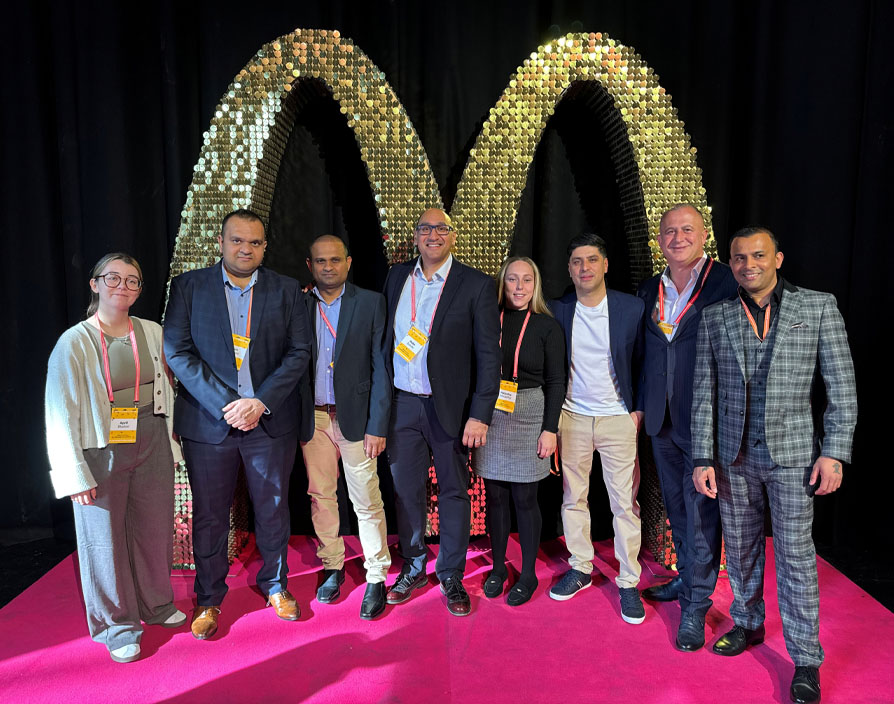
Culture, however, isn’t maintained by process alone. He has deliberately woven celebration and reward into the business, running recognition schemes and social events, with a summer barbecue extended to employees’ families and an annual management retreat abroad. “These initiatives bring our teams together, make work fun and provide a platform to align on business strategy and plans for the year ahead, reinforcing culture and motivation across all sites.
“It’s about balancing trust, accountability, and enjoyment. Empowering my teams to take ownership, staying connected to the day to day and creating an environment where people are motivated, proud and inspired to deliver their best.”
A community-rooted business
Community engagement, he says, has been a defining part of his success. “McDonald’s restaurants are, at their core, neighbourhood businesses, so building genuine relationships with the communities we serve isn’t just a nice to have, it’s essential, says Hubs.”
That commitment has shaped how each restaurant operates. “From day one, I’ve made it a priority for each of my restaurants to be visible, supportive and embedded in the local fabric.” That means partnering with councils and local MPs, supporting schools and charities, from Ronald McDonald House Charities to local organisations such as Noah’s Ark Children’s Hospice, who he has been involved with since taking on his first restaurant in Barnet.
It also includes hosting community events, like those with Hertsmere Police and running regular litter picks throughout the year alongside local residents. The impact of that approach is both practical and emotional, he says: “We’ve created hundreds of jobs across North London and Hertfordshire, boosted footfall on local high streets and supported initiatives that make a meaningful difference to families, young people, and local businesses.” His view is straightforward: “When the community thrives, the restaurants thrive, it’s that simple.”
Embracing innovation
Technology and operational innovation are transforming the McDonald’s system, from delivery partnerships to geofenced ordering. He sees that evolution as a real opportunity for the business. Talking about the latest innovation, he explains: “Firstly, for those who are unaware, Ready on Arrival is an enhanced order ahead experience that uses geofence technology to enable mobile app orders to be prepared ‘just-in-time’ for the customer’s arrival, it was launched nationwide in November.”
Embedding new systems into restaurants requires engaging his teams from the outset to maximise the opportunity from it. “We’ve run several ‘Seeing is Believing’ sessions with our crew for them to understand the new customer app journey and then from the kitchen side, the additional equipment, technology and new processes that comes with it.”
Innovation, however, needs encouragement. “As this beds in over time, I will introduce new internal KPIs as well as follow up training to ensure any momentum gained during the initial launch is not lost.”
Support from the McDonald’s system
His rapid growth hasn’t been achieved on his own, of course, and he credits McDonalds in helping him reach his goals and build his business by giving him the support he needs. “I’ve benefited from a huge amount of support from the McDonald’s system as I’ve grown my portfolio,” he says. “One of the strengths of the system is that there’s a clear framework, experienced people and proven processes.”
He singles out the Field Operations teams for providing practical guidance around standards and growth planning, helping to ensure each restaurant is set up for success. His peer group of other franchisees has also been a source of support. “The wider franchisee community is a major asset,” he says. “Having access to peers who’ve been through the same growth journey, people who challenge you, share best practice and offer unfiltered advice has been one of the biggest contributors to my development.”
Lessons in leadership and resilience
Through the expansion journey, he has developed a clear view of what leadership means with plenty of lessons along the way. “The journey of taking on my first restaurant to my sixth has taught me that leadership is about people first,” he says. “You need to invest in the right teams, empower them to take ownership, and create a culture where high standards and accountability are expected and celebrated.”
External forces have also played a role in how fast the business has grown and Hubs once again credits the support of the McDonald’s system with helping him navigate any difficulties. “The last few years, from geopolitical uncertainties to the cost of living crisis, have shown that having the support of the system (corporate, our supply chain, and fellow franchisees) is invaluable.”
Advice to future franchisees
For those considering following his path, he has a message, particularly for those entering from the corporate world. “One thing I often hear is you need experience in the restaurant or hospitality industry to become a franchisee,” he says. “My peers come from all walks of life: IT, Banking, the Military, Police Force, lawyers, dentists and pilots to mention a few.”
In fact, he had no prior experience in the food or restaurant industry before starting his journey.
He believes that franchising is built on transferrable skills. “The most important things are leadership, commercial acumen and a willingness to learn,” he says. “McDonald’s provides the support to help you succeed, but you need to be ready to invest in your people, embrace the culture and be prepared to get involved.”