IoT stands for the Internet of Things and it relates to physical objects that can be connected and can share data with each other via the cloud.
Essentially they are smart objects, such as TVs, watches, speakers, vacuum cleaners, lawnmowers, CCTV and many other items. A good number of these things have been utilised around the home or personal items. As technology has improved and, especially chip technology, shrunk over the last 30 years these have become much more commonplace.
Whilst they may have started out as home improvements they have gone on to be very useful business technologies, so how can they be utilised in a franchise operation?
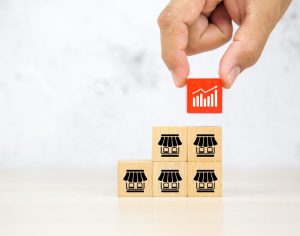
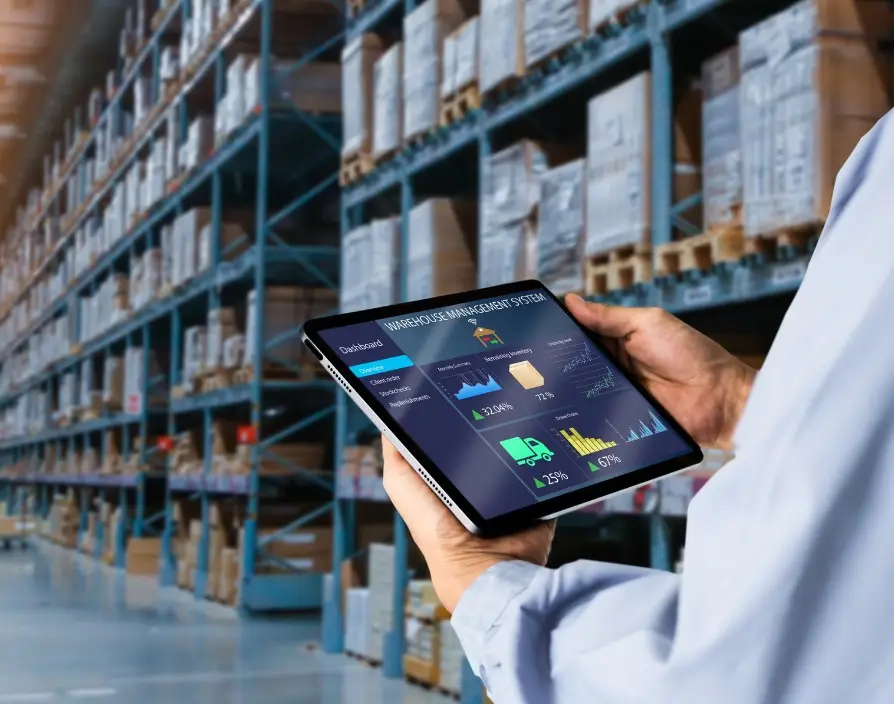
Well, let’s start with stock management. Smart shelves can sense when items are removed and/or a fall in weight so that they can be reordered as the shelves empty. Depending on which shelves empty you can determine the best sellers, which could be seasonal or just a trend. This will ensure that items that are not ordinarily expected to run out are restocked at an appropriate time. It may also identify a trend that can be taken advantage of by adding further complementary items.
Let’s also look at the maintenance of equipment. Franchisees or their key staff can remotely monitor the performance of equipment to ensure they are working and operating to the standard expected. It can also provide an early notification of when there is an issue due to arise or arising and allow for the issue to be rectified before a major problem occurs or as soon as practically possible book a repair or a maintenance visit.
There is also energy management, as highlighted earlier at home with smart thermometer devices keeping working areas, etc. at the correct temperature or lowering it when there are no staff present or raising when they are due to arrive. Lighting can be set accordingly or when there is movement.
It can also be used for marketing and sales purposes – a system can send personalised promotions or discounts to customers’ smartphones when they are near or inside the store. This enhances the in-store experience and drives sales. An ordering system can link with the kitchen and staff. When in the store if you use smart menu boards these can be changed to what a specific customer might typically purchase, alongside other premium alternatives that they may be attracted towards.
Access & Security has been a longstanding use of IoT, especially CCTV monitoring but now instead of key card entry, you can download the app to your phone, accessible by facial recognition, thus reducing the need for extra plastic card entries. Obviously, some care might need to be taken here to ensure no transfer of the device leaves the location vulnerable.
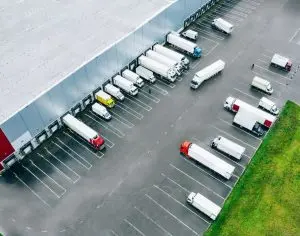
IoT has also been around for a while for the supply chain and logistics by tracking where vehicles are and providing a route change where there may be problems ahead. It can also be used to identify when there may be issues with the temperature in a vehicle and warn the driver.
Finally, for this article, there is the automation of routine tasks. Some of these have already been highlighted but can include routine checks that have previously needed human intervention, such as in-store temperature checks, equipment calibration, cleaning, lighting, and when waste bins are full,