Most people who buy a franchise have an idea of what the job will be. Running a home care franchise is not what I expected. Some of it is harder. Some of it is better. Most of it comes down to people.
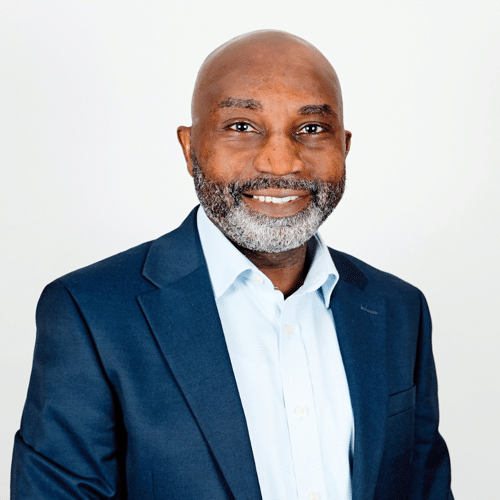
After serving four years in the army, I spent more than 20 years working in various finance-related roles in the public sector. Serving my community (local or national) has always mattered to me, so when it came to choosing a business, it had to reflect that. I also did not want to start from scratch. I wanted to be part of my local community and provide care from day one. So rather than opening a new territory, I bought a resale: an established Caremark business with customers, carers and an office team already in place.
The first thing: what you actually inherit
The first thing that surprised me was what you actually inherit. On paper, you are buying a business. In reality, you are joining people who were there before you. Customers who trust their carers. Carers who know their customers. An office team that knows how things work. I think the worst thing a new owner can do is walk in and change everything. On my first day, I told the office team that I had no intention of overhauling how we work. I would spend my first several months listening, watching and learning. If I wanted to make significant changes, I would bring them with me.
The second thing: where the pressure sits
The second thing was where the pressure sits. I expected the hard part to be finding customers. It is not. The hard part is finding and keeping good carers. Skills for Care estimated 111,000 vacancies across adult social care in England in 2024/25. A Homecare Association survey of 450 providers found nearly one in three cannot meet current demand. That was certainly the case for us. In my first year, we did not have the staff to meet demand. The question is always whether you can staff it safely, every day of the year.
That shapes what my role as managing director is, and what it is not. I have a registered manager, the person registered with the Care Quality Commission as responsible for the service, and a team of nine in the office. Between them, they handle the day-to-day, from customer queries to rotas. My registered manager comes to me when there is a serious issue or a decision that needs financial approval. I think that is how it should be. My job is to make sure the team has the people, systems and support to do theirs, and then to trust them to get on with it.
The third thing: how much the community matters
The third thing was how much the community matters. Buying an established business gave me a head start, but it did not give me relationships of my own. Families, social workers, GPs and local groups still want to know who you are. Early on, I asked my registered manager to arrange visits to customers. I wanted to see what our care means to people. A 96-year-old man told me how much he looked forward to his carer’s visits and thanked me and the team for helping him stay in his own home.
Moments like that are why people stay in care. They are also a reminder of the responsibility. When a family trusts you with their mum or dad, the standard of care is the owner’s responsibility, even when you are not the one at the door. I always tell the carers to remember that they represent me and the company every time they step into someone’s house.
That is why the team matters so much. I think it is rewarding work, but you cannot do it alone. If you are looking at a resale, look at the team as closely as the accounts.
In the coming months, I will share what the job actually looks like. I will cover recruitment, careers in care, pay, dementia, family carers, technology and inspections. I will be honest about what works and what does not.
If you are thinking about buying a care franchise, my advice is simple. Check the numbers. Understand the business and get to know the people behind it. Because ultimately, you are not just taking ownership of a company. You are taking responsibility for the people who work there and the people who depend on it.
Key takeaways
- Buying an established home care franchise means inheriting relationships as much as a business – the staff, carers and clients who come with the acquisition carry expectations, culture and history that a new owner must understand before making any changes.
- The hardest part of running a home care franchise is not finding customers but finding and keeping good carers – everything else in the business depends on having a reliable, committed team, and the quality of care depends entirely on the people delivering it.
- A registered manager handles the regulatory and compliance responsibilities that come with a Care Quality Commission registration, which means the managing director’s role is to lead the business, not to manage every individual care visit.
- Community trust is not automatically transferred with a business acquisition – new owners of established franchises need to invest time in local relationships, understand what the business means to the people it serves, and earn the reputation they have inherited.
- Home care franchising offers genuine purpose alongside commercial opportunity – the moments that keep experienced operators in the sector are the ones where the business makes a tangible difference to a family’s life.