“Say goodbye to your weekends.” It’s one of the most common reactions people have when first considering franchising in the performing arts sector – and on the surface, it makes sense.
With weekend classes at the heart of many performing arts schools, it’s easy to assume the role comes with long, inflexible hours.
But that assumption is exactly what holds many people back – and it’s increasingly out of date. Modern performing arts franchising isn’t built around one person doing everything. It’s built around leadership, structure and, crucially, a team.
Here, Lisa Stead, CEO of Stagecoach Performing Arts, explains why the role of a franchisee today is far less about standing in front of a class every weekend and far more about running a business – building a team, shaping a culture and creating an environment where young people can thrive.
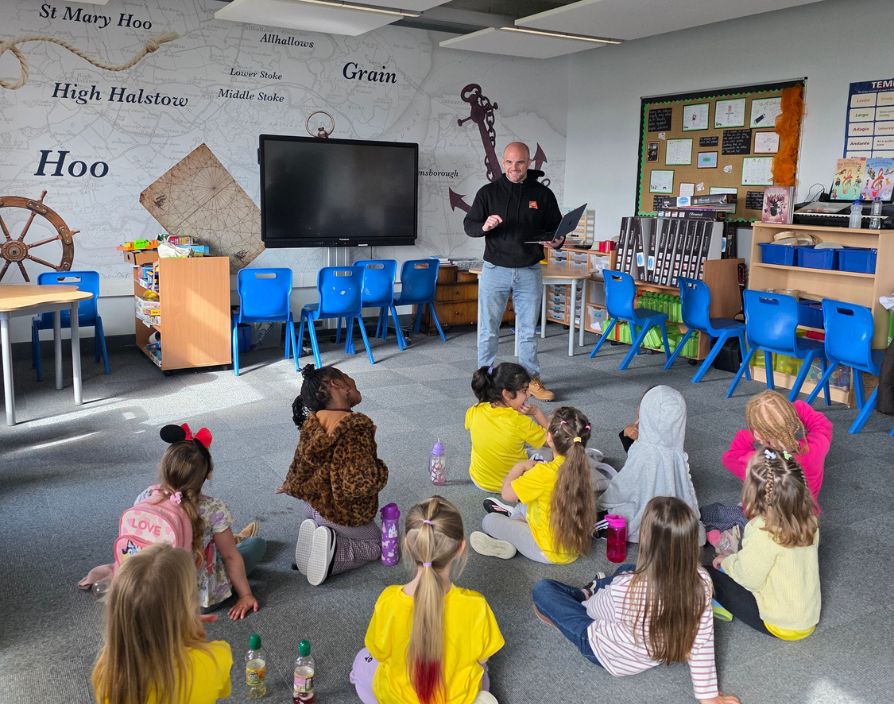
One of the biggest misconceptions is that you’re buying yourself a teaching job. In reality, you’re building a business. At Stagecoach, classes are delivered by trained teachers, while the franchisee focuses on managing people, maintaining standards, ensuring safeguarding and building relationships with families.
Of course, some franchisees choose to stay hands-on in the classroom. Others step back entirely. Many sit somewhere in between. The important point is that the model gives you that choice – your time isn’t automatically tied to being present for every class.
And as the business grows, that flexibility increases. In the early stages, franchisees are often more involved in delivery – teaching, building relationships and establishing their school locally. But with a strong team in place, many begin to delegate more responsibility and shift their focus towards developing the business and supporting their staff.
Others choose to remain closer to delivery because that’s what they enjoy most. The model allows for both – and for change over time.
The real turning point, however, comes with the team you build. When multiple teachers are delivering classes, responsibility is shared. The business no longer depends on one person being there at all times. That’s when you start to gain genuine control over your time – including your weekends.
In reality, the working week is often far more structured than people expect. Classes typically run within a concentrated window – often a single day or even part of a day – creating a clear, predictable rhythm.
Outside of that, much of the work involved in running the business – planning, communication and organisation – can be done flexibly. It doesn’t have to sit within rigid hours or fixed locations. Work becomes something that fits around life, rather than something that dictates it.
That doesn’t mean working less. But it does mean working differently. With the right systems, support and team in place, franchisees are no longer trading time for output in a fixed way. They can delegate, prioritise and shape their involvement around what matters most to them.
At Stagecoach, franchisees are supported with the systems and processes they need from the outset – allowing them to focus on growing their business and deciding how hands-on they want to be.
For Rob Garrett, Principal of Stagecoach Gravesend and Stagecoach Strood, that shift has been transformative. “The vast majority of my role is organising everything in the background,” he explained. “You’re coordinating the business and supporting your team, rather than teaching every class.”
With a team in place, his work is no longer tied to a rigid schedule. “Outside of the core class time, I have the flexibility to work when it suits me. I can prioritise both my business goals and my personal goals.”
Having previously worked in retail, the difference is most noticeable in the time he now has with his family. “Being able to be there for the little things in my children’s lives has made a huge difference. That’s what everything now works around.”
Ultimately, weekends don’t disappear from the role – but they do change. Instead of something you lose, they become something you control.