Interest rates have tightened budgets, and several discretionary-spend sectors have felt the pressure. On the other hand, many franchise networks continue to grow steadily, particularly those operating in essential or value-led markets.
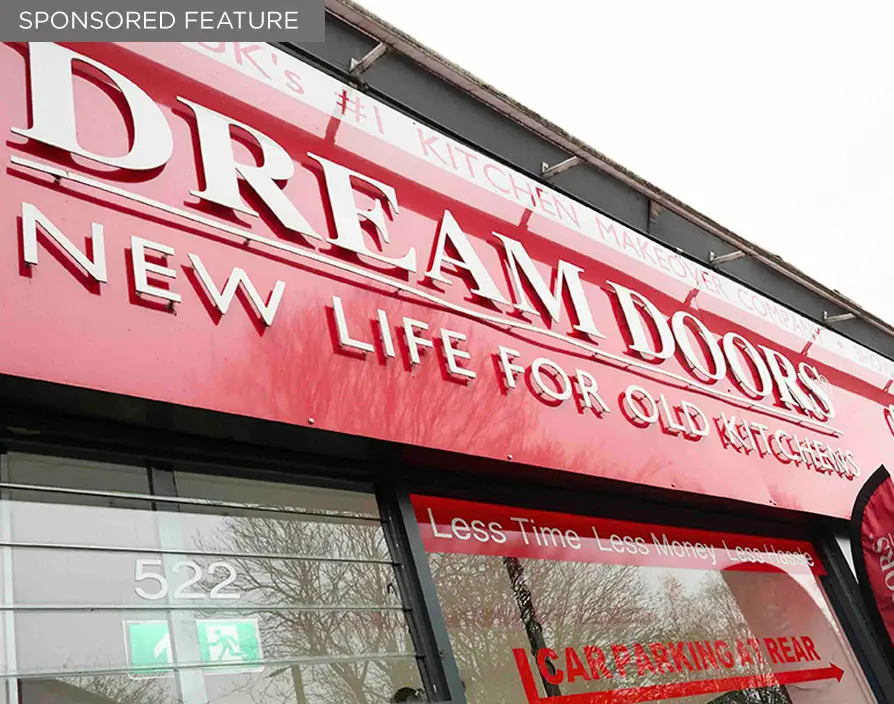
The home improvement sector is a good example of this duality. While the industry at large is undeniably feeling the strain – just think of the household names that have fallen by the wayside – some brands are defying the wider slowdown. Dream Doors, the UK’s #1 kitchen makeover franchise, being one of them.
Why some sectors remain strong
Home improvement may seem like a discretionary purchase, but historically it remains remarkably steady during market fluctuations. When the housing market stalls or becomes unpredictable, homeowners typically shift focus from moving to improving. They want to enhance, or modernise, the property they already live in.
Crucially, Dream Doors’ core demographic – homeowners approaching or in retirement – continues to invest in their living environment regardless of wider economic movement. This customer base often has more stable financial foundations and prioritises comfort, convenience, and long-term value. For them, a kitchen facelift isn’t a luxury – it’s a practical upgrade.
For prospective franchisees in any sector, this trend underscores a key lesson: look for a business that solves a timeless need or delivers a value-based alternative when budgets tighten. Kitchen makeovers, for example, offer the look of a new kitchen at a fraction of the price, with far less time and disruption. Value, married with convenience and practicality, rarely goes out of fashion.
What makes a franchise truly “proven”?
A common misconception among new franchise seekers is that their success depends heavily on prior industry knowledge. In reality, the most successful franchisees frequently come from completely unrelated backgrounds. At Dream Doors, our franchise network includes former teachers, police officers, NHS professionals, IT specialists, retail staff, travel consultants and more. Very few have prior business ownership experience, and fewer still join with kitchen or carpentry knowledge.
The reason they succeed is simple: strong franchises are built on strong systems.
When evaluating any franchise, it’s important to assess the following:
- Training and onboarding:
A comprehensive and well-structured training programme is a strong indicator of franchise maturity. New Dream Doors franchisees undergo an 18-day initial induction, followed by 12 weeks of hands-on field support. That level of investment demonstrates both confidence in the model and commitment to franchisee success. - Ongoing support and development:
After launch, you should expect continual operational and marketing guidance, regular business reviews, and access to a network of specialists. At Dream Doors, business development managers provide tailored support long after the initial onboarding period. And that’s something every prospective franchisee should look for, regardless of brand. - Clear processes that have been replicated successfully:
A proven framework is one that has been tested, refined and then replicated across multiple territories. This is what enables franchisees from all walks of life to achieve consistent results. - A strong parent company or support infrastructure:
Dream Doors is part of Neighbourly, the world’s largest parent company of home services brands. The benefit for franchisees is substantial: world-class franchising expertise, deep operational resources, and the reassurance that your chosen brand is backed by long-term stability. When researching a franchise, ask who owns it. What is their track record? And what wider resources do they provide?
The human factor: what you need to bring
While systems and training are essential, the personal attributes a franchisee brings are equally important. The best franchise owners – no matter the sector – share four core characteristics:
- A strong work ethic
- A positive, proactive attitude
- A willingness to follow a proven model
- And resilience – there will be plenty of challenges to overcome!
Franchising is not entrepreneurship in the traditional sense; it is partnership. The blueprint is already built. Your role is to implement it consistently – to deliver excellent customer service and lead your team effectively.
In Dream Doors’ case, franchisees are the face of a business rooted in trust and service. They don’t install kitchens themselves, but they manage the customer journey and oversee skilled local teams. This is why prior trade experience isn’t necessary, and why many franchisees transition successfully from public-facing, customer-centric careers.
Why resilience matters when choosing a franchise
Economic highs come and go. Market cycles fluctuate. But a franchise that remains relevant during both peaks and troughs offers long-term security. For anyone exploring opportunities today, consider whether the business:
- offers genuine value to its customer base
- serves a need that persists even in tougher climates
- has demonstrated performance across multiple market conditions
- invests in the success of its franchise network
This article is brought to you by Dream Doors, a brand that continues to grow because homeowners continue to want beautiful kitchens, but without the cost, mess or disruption of a full refit. Our model thrives because it solves a real problem and delivers tangible value. But the broader lesson applies across the franchising world: choose a business built to last, not just one that looks attractive in a boom cycle.