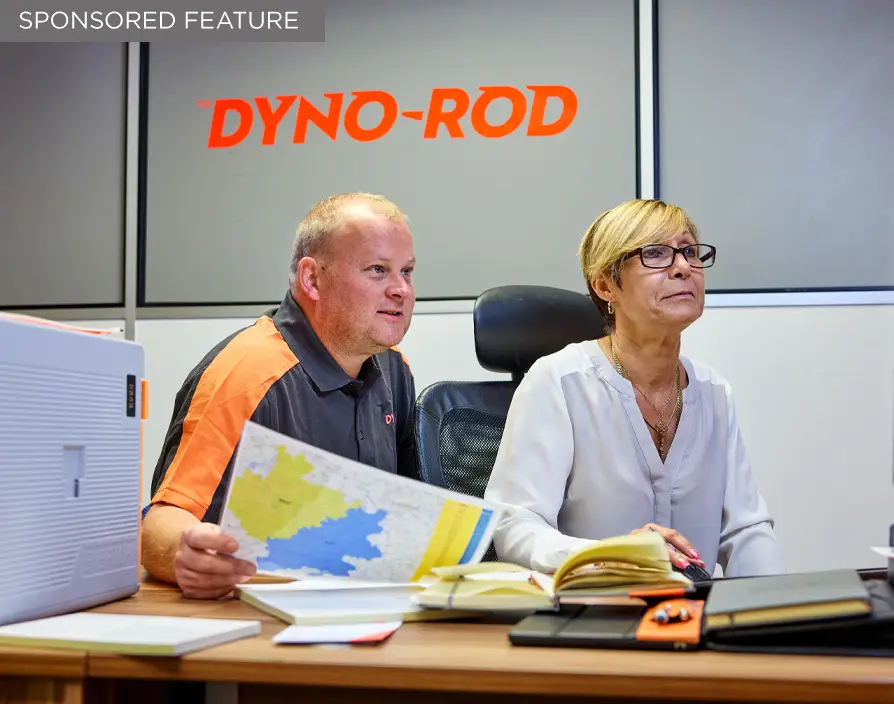
At Dyno-Rod, the UK’s most recognised name in drainage and plumbing, that belief has turned research and development (R&D) into a defining strength.
This approach has already reshaped our network. In the past 18 months alone, we’ve launched new services, new revenue streams and new technologies. Each one has created opportunity for growth, efficiency and resilience.
The way Dyno-Rod approaches innovation offers a glimpse into what’s possible for other franchisors looking to stay at the forefront of their industry.
1. Involve Franchisees in Innovation
It may seem obvious, but the best ideas rarely come from head office alone. They often emerge at the frontline – where franchisees interact with customers, face operational challenges, and identify unmet needs. Dyno-Rod’s approach has been to co-create with franchisees, ensuring new services and technologies are tested in real-world conditions before being scaled nationally.
Suggestion: Create feedback loops that put franchisees at the centre of innovation. Their buy-in ensures solutions are practical and profitable.
2. Turn Compliance into Commercial Opportunity – where sustainability meets subscription
Restaurants and commercial kitchens face strict regulations around fats, oils and grease. We saw a chance not just to solve a compliance problem but to create something bigger: a recurring income stream that also supports the planet.
Together with franchisees, Dyno-Rod developed a monthly grease trap system. Franchisees replace traps, bill clients on subscription, and send the collected waste for conversion into biofuel… fuel that now powers parts of our fleet.
This model is already in use with major chains such as Costa and CBRE, with further national contracts in discussion. For franchisees, it offers predictable income. For customers, it’s a sustainable solution. For the environment, it’s a closed loop that reduces waste.
Suggestion: Look at regulatory pressures not as barriers but as opportunities for innovation that strengthen customer loyalty and franchisee revenue.
3. Empower Entrepreneurial Franchisees – innovation from within
One of Dyno-Rod’s biggest growth areas – pumps – started with a franchisee, Sanjiv Shah, who saw that commercial jobs were being lost when pump failures were identified but couldn’t be serviced.
Rather than accept this lost revenue, our Dyno-Rod franchisee in Central London built a specialist operation – CS Pumps – to meet the need. Dyno-Rod worked with him to shape the model so every franchisee could benefit. Today, franchisees across the UK can access pump work either directly or by sharing revenue through the network’s subcontracting framework, all under the Dyno-Rod brand.
Suggestion: Encourage franchisees to experiment and reward entrepreneurial thinking. Great local ideas can become network-wide breakthroughs.
4. Align with Bigger Market Trends
Franchisees benefit when networks plug into broader movements like sustainability and energy transition. Dyno-Rod leveraged its parent company Centrica’s expertise to give franchisees direct access to green economy opportunities such as EV charger trenching and soakaways.
Suggestion: Tie innovation to macro trends – sustainability, digitalisation, green infrastructure – so franchisees benefit from long-term market relevance.
5. Use Technology to Transform Service Delivery
Technology is only valuable if it improves the way a network operates. Dyno-Rod’s rollout of Microsoft Dynamics 365 redefined how jobs were booked, tracked, and invoiced – cutting admin, increasing adoption, and freeing franchisees to focus on growth. Similarly, its AI-powered call analysis gave franchisees real-time customer insight, allowing proactive training and service improvements.
Suggestion: Prioritise technology that enhances both customer experience and franchisee efficiency. The right tools shift networks from reactive to proactive.
6. Build a Culture of Shared Innovation
What ultimately sets successful franchise systems apart is culture. At Dyno-Rod, franchisees are treated as co-creators of the brand’s future. Innovations are nurtured locally, validated collectively, and scaled for everyone’s benefit.
Suggestion: Innovation isn’t just about products or platforms – it’s about creating a culture where franchisees know their ideas matter and where collective progress drives individual success.
Final Thought
For franchisors, the challenge is clear: innovation and technology can’t sit on the sidelines. They must be prioritised as strategic levers for service quality, stakeholder satisfaction, and revenue growth. By sharing best practice with others in the franchise community, franchise brands can build systems that are not only resilient today but relevant tomorrow.